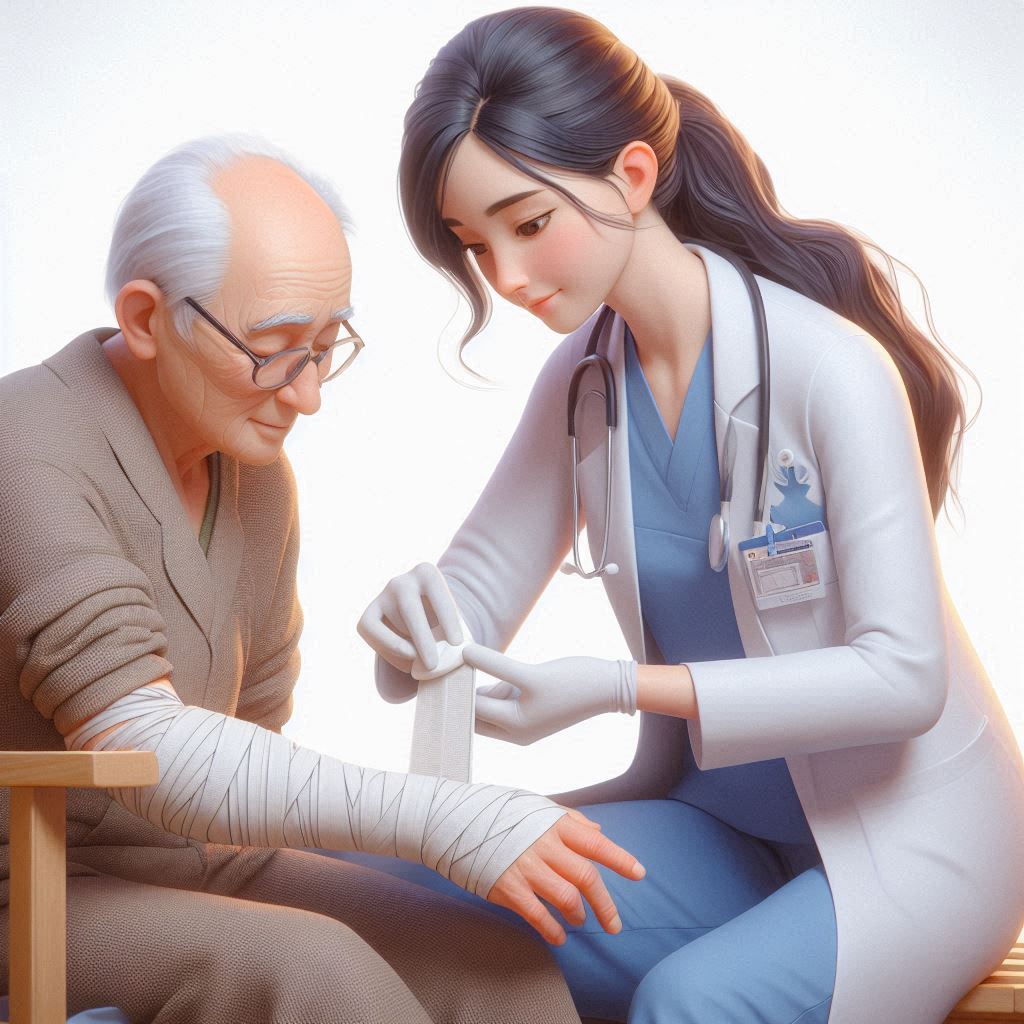
Needs Care
If the story of the younger son is about brokenness through sin, the story of the elder son is about brokenness through self-righteousness.
Both are equally distant from the Father’s heart, but in very different ways.
Explosive Fury
When the elder son hears the sound of music and dancing, his reaction is not joy but anger.
Instead of joining the celebration, he distances himself.
His refusal is not passive — it is loud, bitter, and filled with accusation.
He insists that his years of loyalty and hard work should have earned him more honor, more recognition.
His heart is exposed: obedience had been a transaction, not a relationship.
Facing Leprosy
The elder son’s rejection was not just a refusal — it revealed something far deeper, almost like a serious illness of the soul.
It can be compared to leprosy: a disease that deadens the senses, where a person no longer feels the pain of losing parts of their own body.
In the same way, the elder son had become numb — his heart and mind dulled to the Father’s love.
And just as leprosy is highly contagious, this condition of spiritual numbness can spread, poisoning communities with bitterness and pride.
His rejection was not only evidence of a deep sickness — it was a sign that he needed immediate help, urgent intervention that could not be delayed.
This is the tragedy: the younger son who was once far away has come home, but the elder son who was always “near” refuses to enter.
His pride builds a wall higher than the distance the younger son once traveled.
He cannot rejoice in the Father’s mercy, because he believes it should be measured and earned.
The Father does not scold him, nor force him inside.
Instead, the Father comes out to him, too.
The same love that ran to the prodigal now pleads with the self-righteous.
Both sons are lost in different ways, and both are pursued with the same grace.


Leave a Reply