It is no coincidence.
The story of Joseph resonates profoundly with the parable of the Prodigal Son told by our Lord Jesus (Luke 15:11–32).
Both narratives are woven into the fabric of God’s mystery,
- showing how what is lost can be found,
- what is despised can be honored, and
- how humiliation can be turned into glory.
The dead live again
Joseph, sold into slavery, torn from his father not by his own will but by the cruelty of his brothers, becomes like the son who was “dead” in Jacob’s eyes. Jacob mourned as if Joseph no longer lived (Genesis 37:34–35), just as the father in Jesus’ parable cried out, “This son of mine was dead and is alive again; he was lost and is found” (Luke 15:24).
Yet the circumstances differ: the prodigal squandered his inheritance through rebellion, while Joseph was stripped of his inheritance through betrayal.
One went into exile by choice, the other by force. And yet,
Both stand as pictures of God’s redeeming hand,
for whether by folly or by injustice,
the Father’s mercy can restore what seems forever lost.
And see the sign of restoration: in both accounts, the robe, the ring, and the sandals.
For the prodigal, the father commanded, “Quick! Bring the best robe and put it on him. Put a ring on his finger and sandals on his feet” (Luke 15:22).
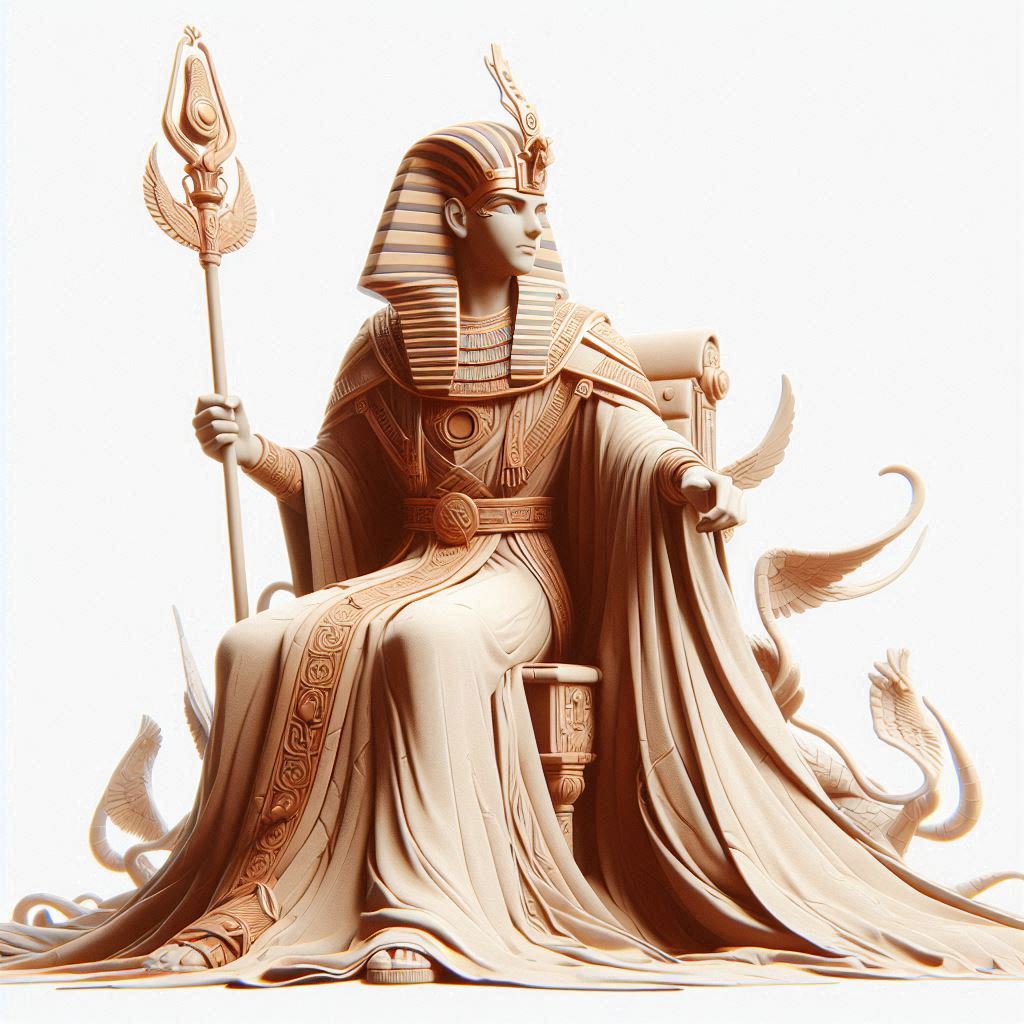
For Joseph, Pharaoh clothed him in fine linen, placed the signet ring on his hand, and adorned him with a gold chain around his neck (Genesis 41:42).
These are not mere ornaments
they are symbols of restored sonship and bestowed authority.
In Joseph’s case, it was exaltation before nations;
in the prodigal’s case, reconciliation within the household.
Both speak of a God who delights to lift the fallen, to clothe the shamed, to restore dignity where it has been squandered or stolen.
Jesus’ parable was not told in a vacuum.
It echoed the long story of Israel, especially Joseph, the son once thought dead but revealed alive in glory.
When the father embraced the prodigal, the hearers of Jesus’ time would have remembered Jacob’s mourning turned to joy when Joseph was found again in Egypt.
Both stories lead us to the heart of the Father’s will: to seek, to save, and to honor those who return in humility or endure in faith.
This is the great mystery—God’s freedom revealed in restoration, a pattern fulfilled most fully in Christ Himself, who was rejected, counted as dead, yet raised to glory and given all authority.


Leave a Reply