
The bitterness of life does not last forever
The cruelty of Joseph’s early trials pierces us deeply.
Here was a youth untested, suddenly cast into the merciless realities of life.
His brothers, outwardly obedient sons before their father, hid within themselves the hearts of predators.
To Jacob they were gentle lambs, but away from his eyes they became as wolves ravenous for blood. Their first thought was not mercy but murder. Genesis 37 records the chilling words: “Here comes that dreamer… come now, let us kill him and throw him into one of the pits” (vv. 19–20).
Only the intervention of Reuben and later Judah redirected the plan, and Joseph’s life was spared.
Yet what kind of sparing was this?
To be sold as a commodity, traded for silver, carried like an object into a foreign land—his dignity stripped, his future uncertain.
The humiliation that must be carried
In Egypt, the humiliation deepened.
No longer the beloved son reclining at his father’s table, Joseph became a servant in a strange household.
Once he was clothed in a tunic of honor, now he bore the garments of slavery.
Once he was waited upon, now he waited on others.
Hunger, thirst, harsh words, and the contempt of strangers marked his days. Every memory of home became a contrast to his present misery.
Here, we witness the hand of God molding His servant through what seems only cruelty,
The Psalmist later recalls Joseph’s anguish: “They bruised his feet with shackles, his neck was put in irons, till what he foretold came to pass, till the word of the Lord proved him true” (Psalm 105:18–19).
The story of God never stops at the pit
But no, Joseph’s life did not end there.
The story of God never stops at the pit, nor at the auction block.
If Joseph’s journey teaches us anything, it is that suffering is never the final word when God is present.
Each descent was preparing the way for ascent.
Each injustice was the soil in which God planted a greater destiny.
” Though Joseph tasted betrayal, slavery, and hunger, these were not his tomb. “
Rather, they were the chisels of the Master Craftsman, shaping him for the palace.
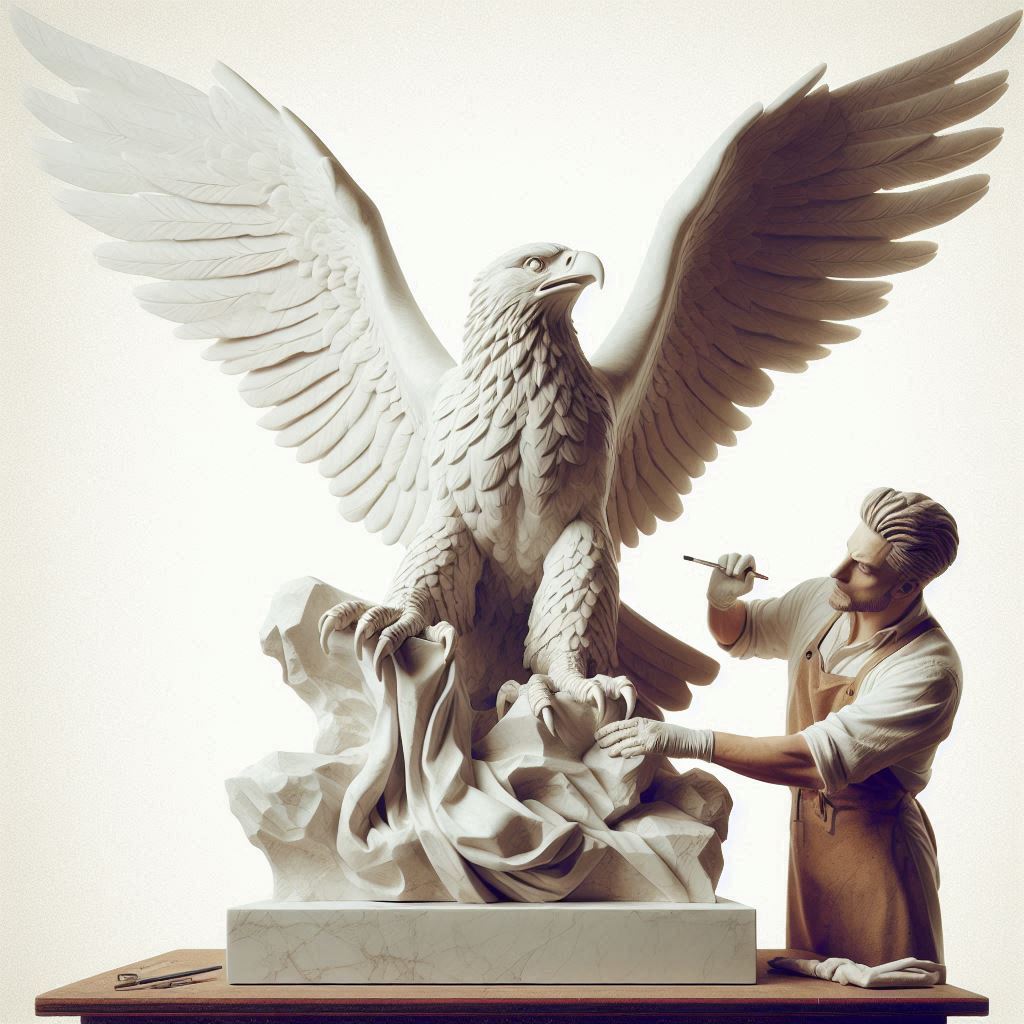
What man meant for destruction, God was already bending toward redemption.
His story urges us to see beyond the cruelty of the moment, for the mystery of God’s will was still alive, hidden but unbreakable.


Leave a Reply