PART 2 — The Child Who Should Not Exist
The child was born the following year.
There were no signs in the sky.
No thunder.
No voice from heaven.
Life in Abraham’s camp continued as it always had—shepherds leading animals out in the morning, servants moving quietly between the tents, fires being lit as evening approached.
Yet in the middle of these ordinary days, something quietly impossible had happened.
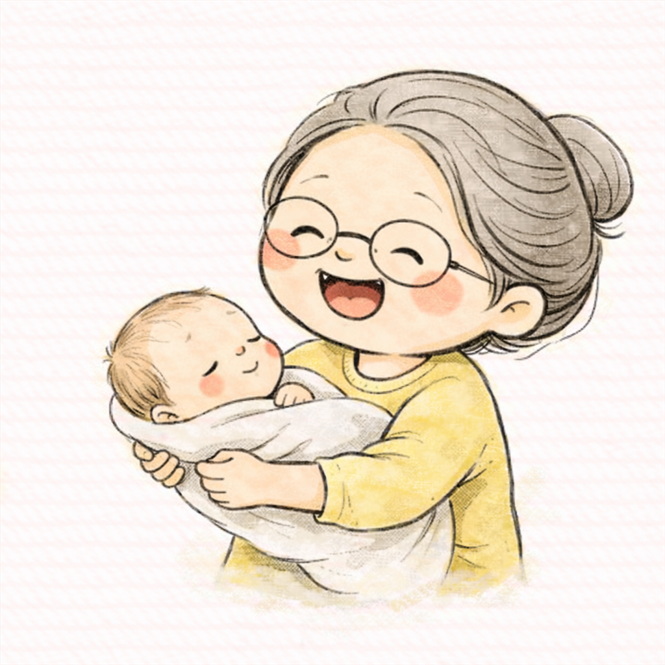
Sarah held a son in her arms.
Abraham was one hundred years old.
Sarah herself had long passed the years when a woman expected to bear a child. The hope that once lived in their household had faded slowly over time, like footprints disappearing from dry ground.
Now, when expectation had almost disappeared, life arrived.
Abraham named the child Isaac.
His name meant laughter.
The laughter that had once risen from disbelief now echoed through the camp in a different way. A small child’s cry could be heard in the morning. Servants paused outside the tent to look at him. Sarah watched over the boy with the quiet amazement of someone who knew that what she held should not have existed.
For the first time in many years, the camp felt different.
Hope had a face.
But Isaac was not the first child Abraham had known.
Years earlier another son had been born.
His name was Ishmael.
He had come during a long season of waiting, when Abraham and Sarah had tried to help God’s promise take shape through their own decisions. What seemed reasonable at the time slowly became complicated.
Ishmael had grown into a strong boy.
He was much older than Isaac.
Two sons now lived in the same camp, and their presence began to change the fragile balance of the household.
Genesis tells the moment briefly.
Sarah saw something.
Something she could not ignore.
What began as a household tension soon became a decision that Abraham wished he never had to make.
Ishmael and his mother would leave the camp.
The departure was painful, yet the story quietly narrowed after that day.
Only one child remained within the tents of Abraham.
Isaac.
The son who had come through promise.
Everything God had spoken about Abraham’s future now seemed to rest upon the life of this one boy.
A promise had taken form.
But promises, once they take form, often reveal something unexpected.
They become precious.
And what is precious is often what faith must one day place back into God’s hands.
Scriptural Anchors
Genesis 21:1–3
Genesis 21:9–12
Galatians 4:22–23
Quote
“God’s promises are fulfilled in such a way that human pride finds no place to stand.”
— John Chrysostom


Leave a comment