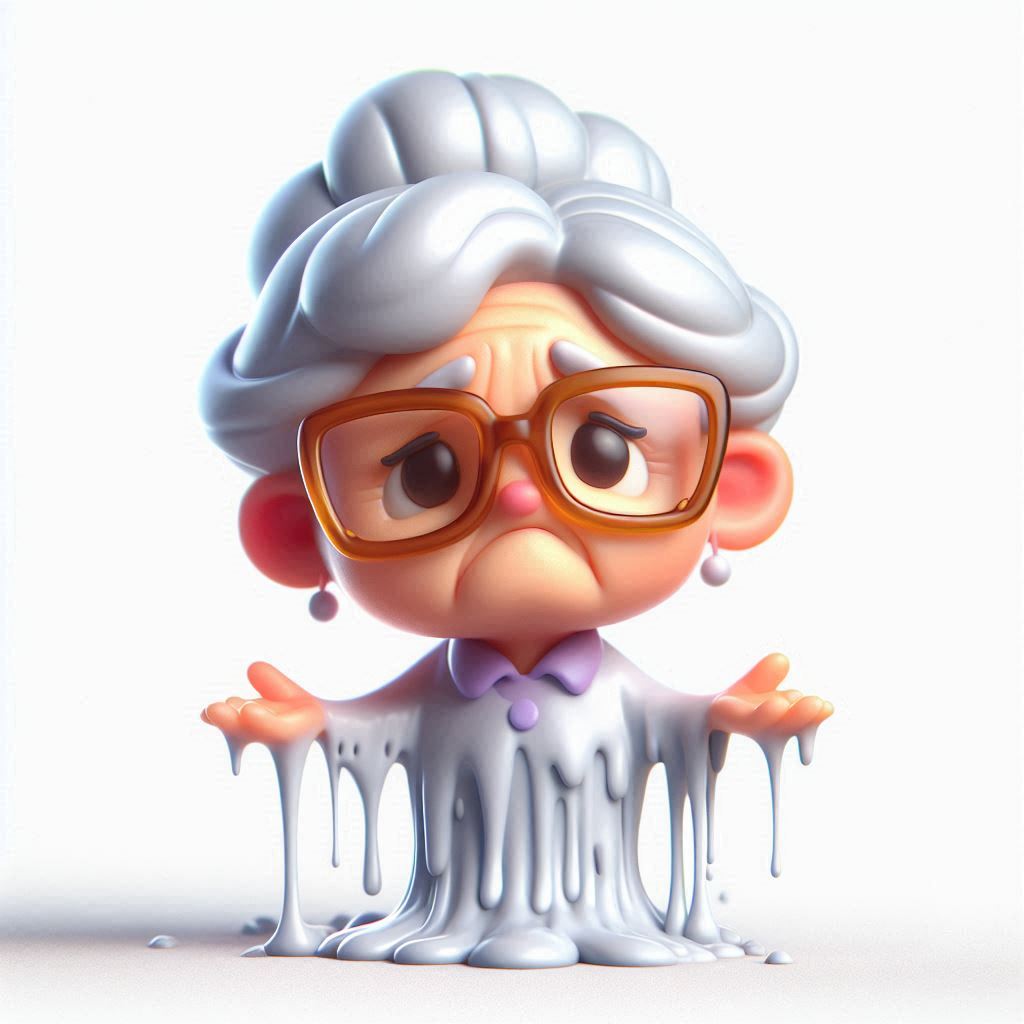
- “And if that nation I warned repents of its evil, then I will relent and not inflict on it the disaster I had planned.” (Jeremiah 18:8)
- “If it does evil in My sight and does not obey Me, then I will reconsider the good I had intended to do for it.” (Jeremiah 18:10)
- “Whoever remains stiff-necked after many rebukes will suddenly be destroyed—without remedy.” (Proverbs 29:1)
Shaping Pressure
The potter’s workshop is not a place of comfort; it is a place of pressure.
Clay must yield, bend, and spin according to the will of the one shaping it.
Yet Jeremiah’s vision warns of two tragic responses:
clay that is never touched, and
clay that resists the shaping hand.
Some people live untouched by God, remaining as they were found—raw earth, never surrendered to the wheel.
Others come near, even experience God’s hand, but pull away when the process grows painful.
They refuse the fire, seeking escape from trials, and so they remain fragile, never strengthened for true purpose.
Resistance is costly.
A vessel that resists the potter’s touch cannot be completed.
A lump of clay that refuses the fire cannot endure.
Illustration
Think of bread dough.
Without heat, it remains soft, sticky, and quickly spoils.
Only when placed in the oven does it become bread—nutritious and ready to serve.
In the same way, clay that avoids the wheel or refuses the kiln never becomes useful.
History offers examples as well. Israel, God’s chosen nation, often resisted His shaping hand.
Despite repeated warnings, they hardened their hearts, preferring idols to obedience.
As a result, the vessel cracked, and God allowed them to be carried into exile.
The warning is clear:
refusal to be shaped does not preserve freedom; it ensures brokenness.
Historical Truth
Archaeologists studying ancient pottery note how often broken shards are found at dig sites. These fragments tell the story of vessels that once held promise but cracked under pressure or were discarded because of flaws. Jeremiah himself describes watching a vessel “spoiled” in the potter’s hand, only for the potter to crush it and begin again (Jeremiah 18:4).
In the same way, nations and individuals who resist God’s shaping are not abandoned without warning. God often remakes, disciplines, or gives another chance. Yet persistent resistance ultimately leaves only shards—a reminder of what could have been.
Quotes
- “God cannot fill what is already full of itself.”
– Charles Spurgeon - “Surrender is the key that turns clay into a vessel of purpose.”
– Mother Teresa
Conclusion
There are only two choices: surrender or resistance.
Surrender leads to purpose, while resistance leads to ruin.
God’s love is patient, but His plan cannot be fulfilled in lives that refuse His hand.
To resist may feel like freedom in the moment, but in reality, it is the loss of destiny.
Present Challenge
Why is resistance so common today?
Because we live in an age that glorifies autonomy—“no one can tell me what to do.”
Many recoil at the idea of surrender, mistaking it for weakness.
Yet in rejecting God’s hand, they miss the only shaping that leads to strength.
To revive the possibility of becoming enduring vessels, we must relearn the courage of submission.
Trials must be seen not as punishment but as fire that strengthens.
Discipline must be embraced not as rejection but as the Potter’s design.
Only then will clay become a vessel fit for honor.


Leave a comment