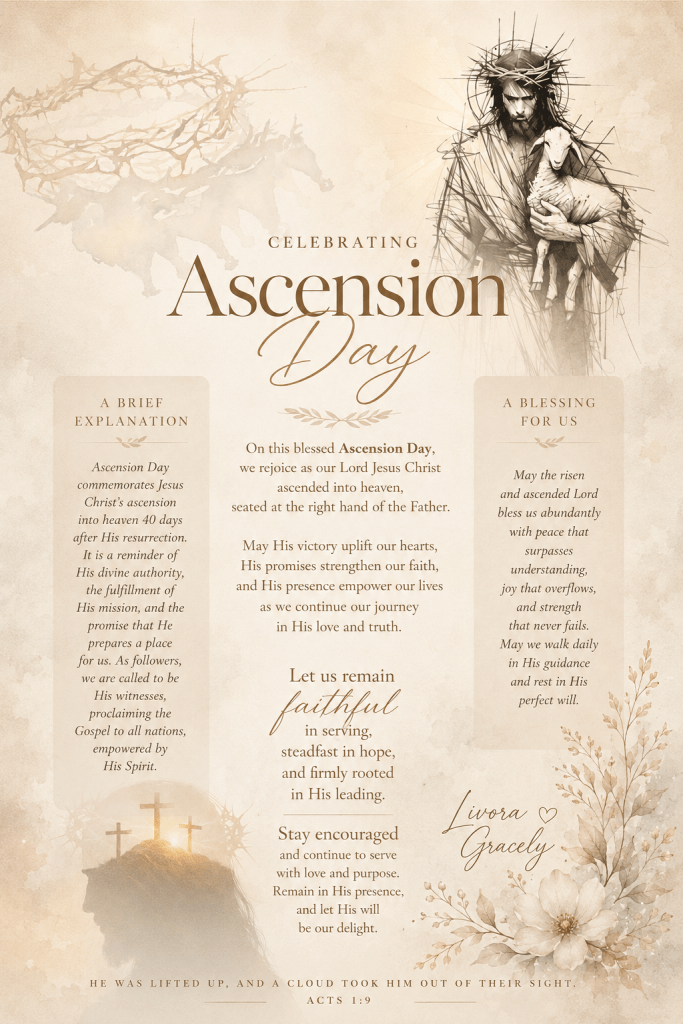
Livora Gracely is a pen name.
This little corner gathers whimsical stories, gentle reflections, and Scripture-inspired writing for readers who still enjoy noticing small things.
Some stories begin with questions.
Others begin with a quiet morning, a cup of tea, an old bench, or a verse that refuses to be forgotten.
The person behind the name simply prefers the words to arrive before the writer.
Writing to remember.
Sharing to inspire.
Not trying to become famous. Just standing there in a yellow hoodie looking suspiciously luxurious for something that weighs almost nothing. The tiny mouse discovered early that confidence is mostly posture, sparkly eyes, and behaving like your snack opinions deserve international respect.
“Overthinking is dangerous in large amounts. But in small doses? That’s basically strategy.”
The tiny mouse checks everything twice, worries responsibly, and somehow avoids disasters before they even arrive. Other mice call it dramatic behavior. She prefers the term “advanced survival planning with emotional seasoning.”
Her tiny plans keep succeeding too, which is becoming mildly irritating for everyone else.
Sleeping twelve times a day may sound excessive until you realize the tiny mouse is emotionally processing life at championship level intensity.
Blankets are not laziness. They are defensive architecture.
Scientists study many important things, yet still underestimate the healing power of one soft pillow and absolutely no notifications.
Frankly, civilization itself might improve after a proper nap.
Small Size, Big Attitude
The tiny mouse weighs almost nothing yet walks around like she owns three companies and one medieval kingdom.
She cannot carry groceries properly but absolutely can carry confidence.
Tiny creatures carry confidence very irresponsibly. That may be why they survive stressful days better than humans holding productivity planners and emotional damage simultaneously.
A small group of followers remained together in borrowed rooms after the ascension of Christ, carrying instructions they did not yet fully understand. The streets outside Jerusalem still moved normally: merchants opening stalls, priests continuing ritual duties, travelers entering the city gates, Roman soldiers maintaining order beneath the heat and dust of ordinary days.
Yet inside the gathered disciples, another expectation quietly remained.
Jesus had said:
“For John baptized with water, but in a few days you will be baptized with the Holy Spirit.” — Acts 1:5
The promise did not begin with public power.
It began with hearts being prepared to receive.
The Spirit of God would not merely stand around them like weather surrounding a crowd. The work would move inward first: conscience, surrender, conviction, remembrance, courage, endurance, obedience.
The disciples themselves still needed this.
Years of walking beside Christ had not removed their weakness entirely. Fear still appeared. Confusion still surfaced. Questions still followed them into rooms after miracles had already happened.
The promise was not immunity.
It was presence.
The filling had not yet come.
They waited anyway.
Pierced Hearing
When the Spirit finally moved publicly in Jerusalem, the first visible miracle was not noise.
It was interruption inside human hearts.
Peter stood and spoke before the crowds:
“Repent and be baptized…” — Acts 2:38.
But before the command came, another sentence appeared first:
“When the people heard this, they were cut to the heart…” — Acts 2:37.
The Spirit worked beneath the hearing.
The crowd did not immediately defend itself. They did not harden themselves against correction. Something inside them allowed the words to enter without resistance.
Questions followed:
“Brothers, what shall we do?”
The sentence carried neither pride nor performance.
Only recognition.
The early church did not begin with people pretending they were complete. It began with people realizing they needed help beyond themselves. Peter spoke openly before them, but the movement beneath the words belonged to God.
Teaching, warning, correction, patience, and instruction would continue traveling through the churches long after Jerusalem itself had quieted. Human voices carried the message. The Spirit pressed it inward.
Some listeners resisted.
Others received the wound honestly.
A closed heart could remain near truth for years.
A pierced heart could begin changing immediately.
Broken Thrones
David once ruled Israel beneath visible glory.
Songs carried his victories across the nation. Armies moved under his authority. Oil had once been poured over him as a sign of divine appointment. Yet none of those things made him untouchable.
Sin entered quietly.
Power concealed it for a while.
Then Nathan arrived.
The prophet did not overthrow David publicly. He spoke a story inside a private room until the king finally recognized himself within it. The collapse began inwardly before it appeared outwardly.
Later David prayed:
“Do not cast me from your presence or take your Holy Spirit from me.” — Psalm 51:11.
And again:
“My sacrifice, O God, is a broken spirit…” — Psalm 51:17.
The prayer carries no negotiation.
No royal defense.
Only exposure.
The Spirit had never existed merely to strengthen David’s throne. The Spirit had always been drawing David himself toward God. Even kings could fall while remaining outwardly powerful.
The breaking became part of the returning.
The Spirit did not make David incapable of failure.
The Spirit kept refusing to leave him untouched by it.
Some restorations begin where self-protection finally collapses.
Pressed Vessels
The believers in Jerusalem soon discovered that changed lives did not remove pressure from the world around them.
Authorities threatened them.
Peter and John were questioned publicly. Warnings were issued. Power stood visibly against them again.
The believers gathered afterward and spoke openly about the danger:
“Stretch out your hand to heal and perform signs and wonders…” — Acts 4:30.
The prayer did not ask for escape first.
It asked for courage within the pressure.
Then the place where they gathered shook:
“And they were all filled with the Holy Spirit…” — Acts 4:31.
The filling did not remove opposition.
It did not remove vulnerability either.
Pressure behaves strangely upon what is already full. An empty vessel collapses easily. A filled one can carry force differently. Steam trapped within iron once moved entire trains across difficult ground. Weight pressing downward could become motion instead of paralysis.
The early church learned this slowly.
Fear was shared openly among them rather than hidden behind performance. They gathered, prayed, remembered Scripture, and stood together beneath pressure that could not be solved quickly.
Some tears remained.
So did the Spirit.
The pressure did not stop the movement.
It carried the witness further.
And the church kept moving.
Burning Endurance
The same pressures continued traveling through the churches long afterward.
Paul later wrote to believers in Rome:
“We also glory in our sufferings…” — Romans 5:3.
The sentence sounds dangerous when separated from its context.
Paul was not celebrating pain for its own sake. The early believers were not searching for suffering as proof of holiness. Hardship simply continued appearing wherever faithful lives collided with broken worlds, hostile systems, fragile bodies, and unfinished humanity.
But Paul observed something forming beneath the suffering:
“…because we know that suffering produces perseverance; perseverance, character; and character, hope.” — Romans 5:3–4.
The sequence unfolds slowly.
Pressure.
Endurance.
Tested character.
Hope.
The movement resembles fire working through metal rather than punishment falling from heaven. Something becomes steadier through the process. Something less artificial survives afterward.
The suffering did not end the work.
It deepened it.
Then Paul reaches the deeper center:
“God’s love has been poured out into our hearts through the Holy Spirit…” — Romans 5:5.
The Spirit does not merely help believers survive difficulty mechanically.
The Spirit keeps revealing love beneath it.
Not shallow optimism.
Not denial.
Presence.
The hope remains alive because the Spirit continues filling the interior life with something suffering itself cannot fully extinguish.
Received Hands
Years later in Ephesus, Paul met disciples who carried incomplete understanding.
He asked them:
“Did you receive the Holy Spirit when you believed?” — Acts 19:2.
The question exposed a gap.
They had received part of the message, but not the fullness surrounding Christ and the Spirit. Instruction followed carefully. Teaching continued patiently. Then hands were laid upon them.
The scene remains strikingly ordinary.
Conversation.
Explanation.
Listening.
Receiving.
The Spirit often moved through trusted relationships rather than isolated private discovery. The churches grew through teaching that remained connected to apostolic witness, correction, memory, and shared life.
Not every spiritual claim carried equal weight.
Not every teacher carried healthy direction.
Even sincere believers could carry incomplete understanding for years.
The believers in Ephesus received further instruction because incomplete understanding eventually leaves gaps inside spiritual life itself.
The early church guarded doctrine carefully not because information alone saved people, but because distorted teaching eventually distorts worship, identity, endurance, and hope.
The laying on of hands carried continuity.
What had once been entrusted continued moving forward through living people.
Quiet Flame
The Spirit rarely announces Himself the way crowds expect.
The deepest work often remains hidden beneath visible activity: conviction entering quietly, resistance softening slowly, courage returning after long fear, endurance surviving pressure, truth settling deeper through repeated teaching, broken people continuing to gather despite weakness that has not fully disappeared.
Jerusalem carried noise.
Rome carried power.
Ephesus carried questions.
David carried failure.
The churches carried pressure.
Yet through all of them, the Spirit kept working inward first.
Not away from ordinary life.
Inside it.
The believers still ate together, traveled roads, buried losses, endured misunderstanding, listened to letters read aloud beneath dim lamps, and prayed through nights that did not immediately change.
She didn’t go to the library because she suddenly became intellectual.
She went because the heating system there worked better than the one in her apartment.
At first, she tried to look mysterious by carrying a giant philosophy book under one arm like someone emotionally complicated. Unfortunately, the book was upside down for almost ten minutes before she noticed.
A quiet old man across the table finally whispered, “You’re reading confidence backwards.”
She nearly dropped her coffee laughing.
After that, she stayed longer than planned. Not because of the books—but because the place felt soft somehow. Warm lights. Slow pages. Nobody asking life-changing questions.
Sometimes people don’t visit libraries for answers.
Sometimes they just need a room where their thoughts can stop sprinting for a while.
Soup Diplomacy
The soup arrived looking innocent.
It was not innocent.
The first spoonful attacked her tongue like molten lava wrapped in emotional betrayal. She tried to act normal, but her face briefly entered another dimension.
The waiter noticed immediately.
“You okay?”
She nodded with the confidence of someone clearly losing the battle.
Five minutes later, she wrote this in her phone notes:
“Some life lessons arrive disguised as soup.”
The waiter laughed so hard he almost dropped the bread basket.
And honestly, the soup won.
But maybe that was the point.
Not every defeat in life needs dramatic music. Sometimes you just sit there, humbled by potatoes and poor decisions.
Bus Stop Philosophy
The bus was late.
Very late.
Snowflakes drifted through the air while she stood at the station holding a tiny plant she absolutely did not know how to keep alive.
An exhausted mother and her little daughter stood nearby. The child stared at her curly hair for a full minute before announcing:
“She looks like hot chocolate.”
The mother looked horrified.
But honestly?
It was the greatest compliment she had ever received.
The bus still hadn’t arrived. Nobody complained. Everyone just stood there quietly watching the snow turn the city softer around the edges.
Funny how cold weather sometimes makes strangers gentler.
Or maybe everyone was simply too frozen to argue.
Either way, it felt peaceful.
Pillow Economy
That evening, she made an important adult decision:
Ignore responsibilities and build a blanket fort.
Pillows were stacked with unnecessary confidence. Fairy lights were added for emotional support. A laptop opened dramatically in front of her as if productivity might eventually happen.
It did not.
Instead, she wrapped herself in blankets, sipped warm tea, and stared thoughtfully at absolutely nothing.
At one point she whispered, “Maybe healing is just becoming temporarily unavailable.”
Honestly, fair.
The world keeps demanding updates, goals, plans, improvements, five-year visions, and seventeen forms of emotional growth before breakfast.
Meanwhile, her blanket fort offered silence, snacks, and zero expectations.
The letter had crossed distance before it entered the room.
Folded parchment, tired hands, guarded roads, uncertain lodging, weather, and conversation had carried Paul’s concern toward churches he could not physically reach. Somewhere in Colossae, the words eventually met ordinary bodies gathered beneath lamps: workers, families, former pagans, Jewish believers, anxious listeners, steady hearts, distracted minds.
The concern that had traveled from prison now pressed downward.
Not merely toward warning.
Toward root.
A tree rarely announces its survival in dramatic ways. Its work happens below the visible line: roots pressing into dark soil, moisture carried through unseen channels, strength gathered slowly while wind moves above it. The fruit may be noticed first. The trunk may receive the eye. But the tree remains standing because something below continues holding.
Paul writes:
“So then, just as you received Christ Jesus as Lord, continue to live your lives in him…” — Colossians 2:6.
The beginning was not meant to become a memory.
The Christ among them was also the ground beneath them.
The danger was not only unbelief.
Sometimes the danger was addition.
Rooted Rooms
Paul does not tell the believers merely to admire Christ from a distance.
He writes:
“…rooted and built up in him, strengthened in the faith as you were taught…” — Colossians 2:7.
The metaphors sit side by side: agriculture and architecture.
Roots below.
Walls above.
Soil and structure.
A plant must remain in its ground. A house must rest on its foundation. Both images carry the same quiet insistence: life cannot continue safely when detached from its source.
The churches around Colossae likely gathered in ordinary rooms rather than public sanctuaries. Tables were moved. Lamps were lit. Letters were read aloud. Children may have drifted in and out of adult speech. Workers listened with tired bodies after long days.
Faith had to grow there.
Not in an abstract spiritual landscape, but among meals, speech, labor, disputes, fatigue, and repeated teaching.
The ordered faith Paul rejoiced over still needed ground.
Steadiness needed root.
A rootless faith can still look alive for a while.
The letter keeps pressing them downward into Christ.
Empty Capture
The warning comes sharply.
“See to it that no one takes you captive through hollow and deceptive philosophy…” — Colossians 2:8.
Captivity does not always begin with chains.
Sometimes it begins with language.
A polished explanation.
An inherited system.
A spiritual vocabulary that sounds elevated while slowly relocating the center.
Beautiful words had already been traveling among the churches. Some promised protection from unseen powers. Some offered stricter discipline, higher knowledge, ancient customs, or spiritual order beyond what the believers had already received.
Paul names the sources carefully: human tradition, elemental spiritual forces, patterns not shaped by Christ.
The danger was not thought itself.
The danger was thought emptied of Christ while still wearing the shape of wisdom.
The churches were not being asked to reject understanding.
They were being guarded from hollow depth.
The words may have sounded beautiful.
The center had shifted.
That was enough.
A prison wall could hold Paul’s body.
Empty words could hold a church.
Fullness Dwelling
Paul answers emptiness with fullness.
“For in Christ all the fullness of the Deity lives in bodily form…” — Colossians 2:9.
The sentence lands with unusual weight.
Not a fragment of divine wisdom.
Not one spiritual power among many.
Not a messenger standing near God.
Fullness.
Bodily.
In Christ.
The surrounding world often divided spiritual reality into layers: visible and invisible, higher and lower, material and divine, ordinary and sacred. Some systems made the body feel like a lesser place, something to escape or discipline into usefulness.
Paul places fullness there.
In bodily form.
Then he turns immediately toward the believers:
“…and in Christ you have been brought to fullness.” — Colossians 2:10.
What is true in Christ touches those who belong to Him.
The treasure Paul had spoken of was not stored elsewhere. The wisdom and knowledge hidden in Christ had not remained locked beyond their reach.
They were not spiritual beggars outside a sealed treasury.
They were not incomplete students waiting for another system to finish what Christ had begun.
Outside, voices kept advertising more.
Inside the letter, Paul kept saying enough.
But fullness did not leave the old life untouched.
What filled them also began cutting away what had once held them.
Cut Without Hands
Paul next reaches for an older sign.
Circumcision carried deep covenant memory within Israel’s history. It marked belonging, identity, separation, and inherited promise. But Paul speaks now of another kind of cutting.
“In him you were also circumcised with a circumcision not performed by human hands…” — Colossians 2:11.
No knife appears in the room.
No public ritual is described.
The action belongs to God.
The old body of flesh is put off. The binding power of the former life is cut away in Christ. What human hands could only mark outwardly, God has acted upon inwardly through union with His Son.
The sign had moved deeper than skin.
It had reached the old life itself.
The passage does not float into abstraction.
It moves immediately to burial.
“…having been buried with him in baptism…” — Colossians 2:12.
Water enters the imagination.
A body lowered.
A life hidden.
Silence beneath the surface.
Then raised.
The believers were not simply taught ideas about death and resurrection. Their own story had been drawn into His.
Not spectators of Christ’s victory.
Participants in it.
The old life lost its claim where Christ’s death and rising became theirs.
The room listening to the letter may not have looked changed from the outside.
But Paul writes as though something irreversible had already happened beneath the visible life of the church.
Nailed Ledger
Paul then turns toward the record.
Before life was raised, there had been debt.
Before freedom, accusation.
Before fullness, a written charge standing against them.
“He forgave us all our sins, having canceled the charge of our legal indebtedness…” — Colossians 2:13–14.
Ancient worlds understood records. Debts were written. Charges were preserved. Notices could be displayed publicly. A document could stand against a person long after the voice that wrote it had gone silent.
Paul says God took that record away.
Not misplaced.
Not postponed.
Canceled.
Then comes the image with iron in it:
“…he has taken it away, nailing it to the cross.” — Colossians 2:14.
The cross had looked like Rome’s document of shame.
Paul describes it as the place where another document was removed.
The nail that fastened Christ also marked the end of accusation’s claim.
The ledger did not survive the wood.
And once the record was gone, the powers that used accusation had already begun losing their hold.
Publicly Unarmed
The final image opens outward.
“And having disarmed the powers and authorities, he made a public spectacle of them…” — Colossians 2:15.
The powers had not disappeared from sight.
Rome still ruled roads. Local authorities still held office. Spiritual fears still moved through households and markets. The world did not suddenly look harmless the next morning.
But Paul writes as though something decisive had already happened beneath the visible order.
The accusers were exposed.
The armed were stripped.
The frightening were made visible as defeated.
Rome saw a crucified body.
Paul saw disarmed powers.
The cross had appeared to be public humiliation. In Paul’s sentence, it becomes public triumph. The place of shame becomes the place where shame itself changes hands.
The victory did not require the old world to understand it immediately.
The churches still had to wake, work, listen, gather, resist, remember, and remain. The persuasive voices would not vanish in a single morning. Human tradition would still sound ancient. Hollow wisdom would still dress itself beautifully.
But the center had already held.
Rooted in Him.
Guarded from hollow capture.
Filled in Him.
Cut free in Him.
Buried and raised with Him.
Forgiven through Him.
Triumphant with Him.
The letter that had crossed distance now left the churches with ground beneath their feet.
Outside, the old world continued speaking loudly.
Inside the gathered rooms, another verdict had already been read.
Aging Like Fine Gossip Some people grow older quietly. Others arrive like neighborhood legends carrying snacks, opinions, and dramatic stories nobody asked for. This grandpa belongs to the second category. His wrinkles are not signs of defeat — they are screenshots from a lifetime of laughing too hard at completely unnecessary things. Honestly, getting older is much more fun when you stop trying to act “serious” all the time.
Older, Wiser, Suspiciously Energetic There is always one older person who somehow has more energy than everyone under thirty. He forgets where the glasses are, but remembers every embarrassing story from 1987 with cinematic detail. Growing old does not automatically shrink joy. Sometimes it removes the fear of looking silly, and suddenly life becomes lighter, louder, and unexpectedly hilarious.
Wrinkles? Yep. Regrets? Nope! Aging is strange. Your knees start making tiny sound effects, naps become luxury events, and weather forecasts suddenly feel emotionally important. But somewhere along the way, many people discover a secret: peace is cooler than perfection. This grandpa has stopped competing with youth. He is too busy enjoying coffee, sunlight, and the beautiful freedom of not caring about nonsense anymore.
Not Old, Vintage Vintage things are valuable because they survive time without losing character. Same with people. The funniest older souls are often the warmest ones too — playful, honest, a little chaotic, but deeply alive. Maybe staying young was never about age at all. Maybe it was always about curiosity, humor, kindness, and still being able to laugh at yourself after all these years.
Prisons carried their own weather. Stone walls trapped heat during the day and released cold slowly after sunset. Chains rubbed against movement. Guards changed shifts while oil lamps dimmed into long stretches of silence. Letters often began there: in discomfort, interruption, and unfinished sleep.
The opening lines of Colossians chapter two move through that atmosphere.
Paul writes:
“I want you to know how hard I am contending for you and for those at Laodicea…” — Colossians 2:1.
The concern reaches beyond one church.
Beyond Colossae.
Beyond people who personally knew his face.
Some believers had never seen Paul directly. They only knew his name through travelers, copied letters, and reports moving between Roman roads and gathered churches. Yet he continued writing to them with the weight of someone responsible for protecting communities he could not physically reach.
Outside the prison, other voices also moved between the churches. Some offered spiritual elevation through hidden systems, persuasive language, and promises of deeper access beyond Christ Himself. Beautiful words often traveled faster than discernment.
Paul writes into that movement from confinement.
Not detached from the churches.
Bound to them through labor no chains fully interrupted.
Unseen Labor
The struggle Paul describes does not sound military, yet the language carries pressure inside it.
“How hard I am contending…”
The word suggests effort stretched across distance.
Prayer.
Concern.
Mental endurance.
Teaching carried through absence.
Paul writes as someone attempting to steady churches he cannot physically reach. The limitation itself becomes part of the burden. He cannot walk directly into the gatherings. He cannot immediately answer every distortion moving through the region. He cannot stand visibly before listeners questioning his authority or reshaping the Gospel into something more fashionable and impressive.
Yet the labor continues.
Some responsibilities refuse to disappear simply because conditions become difficult.
The believers hearing the letter may never have fully understood how much hidden effort already surrounded them: sleeplessness, dictated letters, repeated warnings, conversations with travelers arriving from neighboring cities, and concern carried continually into prayer.
Ministry often leaves fewer visible monuments than empire does.
Rome built roads.
Paul filled them with concern.
Joined Hearts
The pressure surrounding the churches was not merely intellectual.
False teaching rarely enters communities through arguments alone. It often moves through insecurity, comparison, fascination, division, and the quiet fear of lacking something essential.
Paul writes:
“…that they may be encouraged in heart and united in love…” — Colossians 2:2.
Encouragement comes first. Unity follows.
The churches around Colossae existed inside a fragmented world: Jew and Gentile, slave and free, wealthy households and laborers gathering beneath the same roof while outside society continued dividing people through status, ethnicity, and inherited hierarchy.
The letter moves against that fragmentation slowly.
Not through slogans.
Through shared center.
Some gatherings likely remained small enough for tension to become visible quickly. A persuasive teacher could unsettle an entire room. A few ambitious voices could redirect attention away from Christ toward hidden superiority or spiritual performance.
Paul keeps drawing the churches back toward joined affection rather than competitive spirituality.
Love remained one of the strongest defenses against fracture.
Hidden Riches
Ancient cities measured wealth visibly: trade routes, gold, property, reputation, public honor, and influence carried through family names.
Yet Paul writes about another kind of richness entirely.
“…the full riches of complete understanding…” — Colossians 2:2.
Then he moves deeper still:
“…in whom are hidden all the treasures of wisdom and knowledge.” — Colossians 2:3.
The surrounding world already offered competing systems promising wisdom. Philosophers debated publicly in crowded streets. Religious movements guarded secret knowledge behind layers of initiation. Traveling teachers attracted followers through polished speech and intellectual complexity.
Paul directs the churches toward a different center.
Not scattered wisdom.
Not partial insight.
Christ Himself.
The treasure remained hidden in plain sight.
Not because God delighted in concealment, but because people often continued searching elsewhere while standing beside the center already.
The mystery revealed earlier in the letter had not disappeared. Christ remained among them still — not merely as doctrine to defend, but as living center holding the churches together beneath pressure and distance.
Outside the prison walls, Rome continued measuring wealth visibly.
Inside the letter, Paul described riches the empire could neither count nor confiscate.
Sweet Persuasion
Persuasion rarely announces itself as danger at first.
Paul writes carefully:
“I tell you this so that no one may deceive you by fine-sounding arguments.” — Colossians 2:4.
The threat did not necessarily arrive through hostility.
Sometimes distortion entered gently.
Beautiful language.
Compelling systems.
Elegant spirituality.
Promises of higher access.
The churches around Colossae likely encountered teachings persuasive enough to sound trustworthy precisely because they borrowed familiar language while quietly relocating the center away from Christ.
Not every false road appeared ugly.
Some arrived polished.
That may be why Paul kept returning to simplicity with such persistence. Not simplistic thinking, but undivided center.
The danger was not curiosity itself.
The danger was displacement.
Once Christ became secondary, even impressive wisdom slowly lost alignment.
The prison walls still limited Paul physically.
The letter itself continued guarding the churches from a distance.
Ordered Faith
Paul eventually reaches one of the quietest lines in the passage:
“For though I am absent from you in body, I am present with you in spirit…” — Colossians 2:5.
Distance remained real.
Roads still separated cities. Prison still separated Paul from the churches. Some believers hearing the letter likely knew him only through reputation and written words.
Yet another kind of nearness continued moving beneath the separation.
Paul rejoices not because the churches had become culturally powerful or publicly impressive.
He rejoices because their lives still carried visible order and steady faith in Christ.
Not perfection.
Steadiness.
The joy sounds pastoral rather than triumphant. Like relief arriving quietly after prolonged concern. The churches remained vulnerable, yet they had not drifted completely into the surrounding confusion.
The mystery revealed earlier in the letter now appeared embodied quietly inside ordinary community life:
gathered believers,
shared endurance,
ordered lives,
continuing faith,
Christ among them.
The surrounding world celebrated spectacle, dominance, and visible achievement. Paul looked instead for stability beneath pressure.
Faithfulness rarely appeared dramatic from the outside.
Life continued quietly there anyway.
Nearer Than Distance
The churches in Colossae and Laodicea remained separated from Paul by prison walls, guarded roads, political systems, and uncertain travel. Yet the letter itself crossed those distances by hand.
Folded parchment.
Carried voices.
Concern moving farther than the body carrying it.
Somewhere in a gathered room, the words were eventually read aloud beneath low-burning lamps while ordinary believers listened together. Some were likely fearful. Some uncertain. Some still vulnerable to persuasive voices promising more than Christ.
Yet the letter continued pulling them back toward the same center:
joined hearts,
hidden riches,
ordered faith,
Christ among them.
Outside, Rome still appeared permanent.
Inside those rooms, another kind of order continued forming slowly through shared endurance, guarded truth, and quiet nearness carried across distance.
Breathe First, Panic Later This tiny meditation bunny understands something most adults forget daily: breathing dramatically into chaos rarely improves anything. Sitting quietly for one minute will not solve every life problem, but it may stop you from sending emotional text messages you will regret at 2 a.m. Inner peace is cheaper than therapy and significantly safer than arguing online with strangers.
Slow WiFi Soul Modern humans can wait forty minutes for coffee but become spiritually unstable when a webpage loads three seconds too slowly. This sleepy side-view bunny is practicing the ancient art of slowing down before the brain turns into a browser with ninety-seven tabs open. Sometimes meditation is not about becoming wise. Sometimes it is simply preventing your soul from overheating.
Silence Has WiFi People are terrified of silence because silence has a strange habit of revealing things. The bunny sitting quietly with closed eyes is not “doing nothing.” That little fluffball is avoiding unnecessary drama and protecting mental battery life like a true professional. Honestly, some answers only appear after the noise finally leaves the room.
Tiny Zen Creature The funniest part about meditation is that it looks incredibly peaceful until you actually try it. Suddenly your brain remembers embarrassing moments from 2014, random grocery lists, and conversations that never happened. Yet this back-facing bunny still chooses calm anyway. Maybe enlightenment is not becoming perfect. Maybe it is learning to sit quietly without fighting every thought that passes through your head like an emotional raccoon.
“Ascension Day reminds us that Christ did not leave in absence, but remained through presence unseen. The risen Lord still walks among hearts willing to listen quietly. May we continue serving faithfully, strengthened by His guidance, comforted by His nearness, and anchored in the mystery of divine love revealed to those who believe.”
Old buildings sometimes carry hidden heat long after visible flames disappear. Brick walls remain warm beneath the surface. Pipes continue moving unseen currents through dark interiors. Someone entering late into the night may not understand why the room still holds warmth until they discover the fire was never fully gone.
The ancient world carried many forms of hidden knowledge. Priests guarded sacred spaces. Philosophers separated deeper truths from ordinary listeners. Mystery cults promised spiritual ascent through rituals unavailable to the public.
Most secrets moved upward toward the elite.
Paul writes about a mystery moving outward instead.
Toward laborers.
Toward Gentiles.
Toward gathered believers sitting shoulder to shoulder beneath low-burning lamps.
The letter to the Colossians does not present this revelation as easy news. The old divisions between Jew and Gentile had shaped generations of religious imagination. Temple boundaries, covenant identity, purity systems, and inherited history stood heavily behind the question of who truly belonged near the presence of God.
Yet somewhere inside a Roman prison, Paul writes as a man entrusted with announcing that the hidden thing had finally stepped into the open.
Not around them.
Among them.
Chains That Continued
Roman imprisonment rarely paused suffering cleanly. Chains restricted movement even when conversations continued. Guards rotated through shifts while prisoners adjusted slowly to stone floors, stale air, interrupted sleep, and uncertain timing.
Paul writes:
“Now I rejoice in what I am suffering for you…” — Colossians 1:24.
The sentence carries tension inside it.
The suffering is not treated as interruption.
Nor as heroic display.
Paul speaks as though hardship itself has become part of the work sustaining the churches from a distance. The imprisonment, exhaustion, separation, and pressure now move together with the ministry itself, like weight carried alongside the message rather than against it.
Somewhere beyond the prison walls, believers in Colossae still gathered quietly while competing teachings moved through surrounding regions. Fear, confusion, and spiritual pressure did not disappear simply because Christ had risen.
Neither did the labor of protecting fragile communities.
Roads carried letters.
Chains carried concern.
The empire likely viewed imprisonment as limitation. Paul writes as though the Gospel continues moving through confinement itself.
Not every closed door stopped the work.
Entrusted Hands
The mystery did not arrive randomly inside history.
Paul repeatedly speaks as someone given responsibility rather than personal ownership.
“I have become its servant by the commission God gave me…” — Colossians 1:25.
Commission.
Stewardship.
Entrusted labor.
Not self-appointed authority.
The ancient world already knew traveling teachers who gathered influence around themselves. Philosophers attracted disciples. Religious figures guarded access to sacred knowledge through hierarchy and initiation.
Paul sounds different.
The mystery remains larger than the man carrying it.
Yet the responsibility still weighs heavily enough to shape his entire life: journeys, imprisonment, warnings, letters, exhaustion, endurance.
Some truths alter the structure of the person entrusted to carry them.
The hidden thing now revealed would not remain safely inside Israel’s boundaries. It would move across ports, roads, prisons, marketplaces, workshops, and foreign households throughout the empire.
Paul writes as though he knows history itself has shifted direction.
And somehow he has been asked to carry part of it by hand.
Hidden For Ages
The word mystery already carried deep cultural weight. Religious systems across the Roman world often divided humanity between outsiders and those granted deeper access through secret rites or spiritual advancement.
Paul uses the same word while overturning its normal direction.
“The mystery that has been kept hidden for ages and generations…” — Colossians 1:26.
The mystery was not newly invented.
Not recently discovered.
Not assembled through intellectual brilliance.
It had remained concealed across centuries like buried embers beneath ash.
The Hebrew Scriptures carried its shadows already: promises spoken to Abraham, prophetic fragments, scattered hints inside exile, kingship, covenant, sacrifice, and longing.
But hidden things often become difficult for people to accept once they finally emerge into daylight.
Especially when they arrive differently than expected.
The mystery did not establish a new earthly throne.
It entered scattered communities across the empire.
Not elite bloodlines.
Not imperial courts.
People.
History had prepared for the revelation longer than most people realized.
Older expectations did not disappear quickly.
Christ Among Them
The center of the passage arrives almost quietly.
“Christ in you, the hope of glory.” — Colossians 1:27.
The wording moves deeper than individual spirituality alone.
Paul writes to communities.
Gathered believers.
Shared tables.
Ordinary churches learning to live together beneath pressure.
Former pagans now sitting beside people shaped by Jewish history and covenant memory.
Yet Paul speaks as though divine presence now dwells among them directly.
Within the gathered body itself.
The sentence would not have sounded safe.
Even now it still unsettles reduction.
The center of God’s presence no longer remains tied exclusively to one geography, one ethnic inheritance, or one temple structure guarded behind curtains and priestly access.
It appears across homes and churches scattered through the Roman world.
The prison walls remained standing around Paul while he wrote those lines.
Older boundaries did not.
Not every listener welcomed the shift easily.
Some still searched for superiority through spiritual hierarchy, inherited distinctions, or hidden systems promising greater access beyond Christ Himself.
Paul keeps returning them to the same center.
Him.
Lamp Warnings
Revelation did not remove the need for instruction.
If anything, it deepened it.
“We proclaim him, admonishing and teaching everyone with all wisdom…” — Colossians 1:28.
The language becomes repetitive in the way difficult labor becomes repetitive.
Warning.
Teaching.
Correcting.
Repeating.
Guiding.
The churches surrounding Colossae were not protected from confusion automatically. Competing voices still promised higher spiritual access beyond Christ. Some believers likely feared they lacked hidden knowledge or deeper initiation available elsewhere.
Paul continues leading them back patiently.
Not toward systems.
Not toward intermediaries.
Toward maturity centered in Christ Himself.
Travelers likely carried copies of the letter along dusty roads while believers gathered beneath low-burning lamps to hear the words read aloud together.
The mystery may have been revealed.
Receiving it fully would still take time.
Strength Beneath Strength
By verse twenty-nine, the letter briefly opens the hidden structure beneath Paul’s endurance.
“To this end I strenuously contend…”
The sentence sounds physical.
Strain.
Fatigue.
Resistance.
Nothing about the passage suggests effortless spirituality.
And yet the line refuses to remain centered on Paul himself.
“…with all the energy Christ so powerfully works in me.”
The strength underneath the labor comes from elsewhere.
Not personality.
Not discipline alone.
Not natural resilience.
The image feels almost architectural: a weary structure continuing to stand because unseen force still bears weight beneath it.
The churches likely saw the visible labor first: letters, warnings, teaching, endurance, suffering.
Verse twenty-nine briefly reveals the interior fire sustaining all of it.
The Soft Giant Not every strong thing needs to roar dramatically on a mountain somewhere. Some strength simply sits beside you quietly and lets you feel safe enough to laugh again. This giant husky looks like it could defeat monsters before breakfast, yet its greatest talent is protecting one tiny happy human with pure gentleness. Honestly, that is cooler than being scary.
Big Heart, Soft Spot The funniest part about “big tough protectors” is that they almost always have the softest emotional settings imaginable. One happy little smile from this girl and the giant fluffy guardian instantly melts into a giant emotional marshmallow. Proof that even powerful creatures can secretly operate on hugs, loyalty, and emotional support snacks.
Strong Outside, Gentle Inside Some people think kindness means weakness. Meanwhile, this enormous wolf-dog could probably scare an entire village just by standing up… yet chooses tenderness instead. That is real strength. Being loud is easy. Being gentle in a harsh world? That takes a completely different kind of courage — the fluffy legendary kind.
Tiny But Loved The little girl is not pretending to be fearless here. She is fearless because she knows she is not alone. There is something healing about having a safe presence nearby — someone big enough to calm your storms without saying a word. Sometimes love does not arrive as speeches or dramatic hero moments. Sometimes it arrives as a giant fluffy guardian with patient eyes and unlimited cuddle energy.