Livora Gracely

Writing to remember, sharing to inspire

  • The Wolf and the Cult of Control
    • Matthew 7:15 — “Beware of false prophets, which come to you in sheep’s clothing, but inwardly they are ravening wolves.”
    • Ezekiel 22:27 — “Her princes in the midst thereof are like wolves tearing the prey, to shed blood, and to destroy souls, to get dishonest gain.”
    • John 10:12 — “But he that is an hireling, and not the shepherd, whose own the sheep are not, seeth the wolf coming, and leaveth the sheep, and fleeth.”

    Intro

    The wolf is cunning, strategic, and patient. It hunts not for sport, but for survival. In nature, this makes it noble; in the human heart, it makes it dangerous. A wolf in the wild follows instinct — a wolf in the system follows ambition. Jesus warned His followers not only about wolves in the wilderness, but wolves in robes and pulpits — those who wear gentleness outwardly, yet feed on the vulnerable.


    Truth and History

    In early Christian communities, “wolves” became a metaphor for leaders who exploited faith for gain. Even in the first century, as Paul wrote to the Ephesians, there were already those who used the name of Christ for personal elevation. History repeated itself in every era: religious empires rose claiming the banner of God, only to devour the very sheep they vowed to protect.

    Just as hospitals today sometimes forget their oath to heal — burying compassion beneath bureaucracy — so too, the spiritual institutions of our time often prioritize survival over service. The wolf doesn’t always bite; sometimes it simply smiles and signs paperwork.


    Quotations

    “Nearly all men can stand adversity, but if you want to test a man’s character, give him power.” — Abraham Lincoln

    “When power corrupts, poetry cleanses. For art establishes the basic human truths which must serve as the touchstone of our judgment.” — Jacqueline Kennedy Onassis


    Conclusion

    The wolf’s strength is not its fangs but its focus. It knows what it wants and takes it without remorse. Many who begin as shepherds slowly evolve into wolves when control replaces compassion. The moment we see people as means instead of souls, the transformation is complete.

    A wolf does not feel; it calculates. In religion, business, or governance, this coldness often masquerades as “efficiency.” But no system that devours the weak can claim divine approval.


    Modern Challenge

    Our modern world rewards the wolf. We admire dominance, ambition, and control — even baptize them with holy words like “leadership” and “vision.” The humble shepherd is now seen as outdated; the calculating strategist as essential.

    To reverse this, we must redefine success — not as power over others, but service beneath them. The dove may not outsmart the wolf, but it outlives it. For every empire built by wolves eventually collapses under its own hunger; but love — even small, silent love — endures.

  • The Dove and the Heart of Purity
    • Matthew 3:16 — “And when Jesus was baptized, He went up straightway out of the water: and lo, the heavens were opened unto Him, and He saw the Spirit of God descending like a dove, and lighting upon Him.”
    • Matthew 10:16 — “Be ye therefore wise as serpents, and harmless as doves.”
    • Psalm 55:6 — “Oh that I had wings like a dove! for then would I fly away, and be at rest.”

    Intro

    The dove has long been a symbol of what humanity should aspire to be — pure, peaceful, and unpretentious. It does not devour; it does not plot. It survives not by strength or cunning, but by grace. Yet Jesus did not merely tell His followers to be like doves — He sent them as doves among wolves. That paradox captures the tension of true faith: purity in a predatory world.


    Truth and History

    In ancient Palestine, the dove was one of the few birds considered “clean” under Mosaic law, often used for sacrifices by the poor. It was a gift that even the least among society could afford — a token of innocence accepted by God Himself. The dove descending upon Jesus at His baptism was not a poetic gesture, but a divine statement: purity still finds favor before power. In a time when religious authority had become institutional and mercenary, heaven affirmed the simplicity of an undefiled heart.


    Quotations

    “It is not our duty to be loved by the world, but to remain loving within it.” — Dietrich Bonhoeffer

    “Peace does not mean to be in a place where there is no noise or trouble, but to remain calm in your heart in the midst of chaos.” — Mother Teresa


    Conclusion

    The dove teaches us that innocence is not weakness; it is endurance refined by faith. While the crow thrives on decay and the wolf on conquest, the dove survives through surrender. It does not fight for dominance, but for peace — a peace that often costs comfort, convenience, and control.

    True purity is not about being untouched by the world, but about walking through its dirt without losing your softness.


    Modern Challenge

    Today, purity of heart is often mocked as naïveté. Institutions — from hospitals to churches — have traded compassion for compliance, empathy for efficiency. We train professionals to “follow procedure,” but not to feel. The dove has become endangered not by predators, but by indifference.

    To revive it, we must learn again the forgotten art of presence: to see pain and not look away, to listen before explaining, to serve before speaking. The world doesn’t need more clever wolves or loud crows — it needs a few living doves who still dare to believe that kindness changes everything.

  • Feathers, Fangs, and Faith

    It is easy to tell a dove from a crow, or a wolf — at least by sight. One is white and gentle, the others dark and cunning. Yet in everyday life, these creatures blur into one another. We find wolves in suits, crows in pulpits, and doves that no longer know how to fly. The contrast is obvious in nature, but strangely, indistinct among humankind.

    In the Gospel, the dove represents purity and sincerity — the Spirit descending upon Jesus, and the creature God Himself calls harmless. “Behold, I send you forth as sheep in the midst of wolves: be ye therefore wise as serpents, and harmless as doves.” (Matthew 10:16). Why, one might ask, did Jesus not say “wise as crows or wolves”? Because their wisdom is of the earth — manipulative, self-serving, guided by appetite and instinct. The serpent’s cunning, however, is a symbol of discernment — wisdom without cruelty.

    Once, a mother arrived at a famous hospital, desperate for care. She believed compassion would guide the hands of those who wore white coats — doves in human form. Yet she found herself shuttled from one desk to another, lost in a maze of forms, “procedures,” and indifferent smiles. The emergency ward was quiet, nurses idle in chatter, while she suffered in silence. Where had empathy gone? When systems become idols, hearts grow numb. The dove has not died — she has only been caged by policy.

    Paul warned the Galatians: “If anyone preaches a gospel other than the one we preached to you, let them be under God’s curse.” (Galatians 1:8). In our age, there are many gospels — polished, marketable, dripping with lights and wealth. Like grand hospitals that promise healing for those who can pay, some modern churches have turned worship into performance, and faith into investment. The poor need not apply. The wolf guards the gate, and the crow manages the choir.

    Jesus once sat by the temple treasury, watching the rich pour their offerings. Among them came a widow — frail, unnoticed — dropping in two copper coins. He said her gift was worth more than all others, for she gave her livelihood, not her leftovers. To heaven, generosity is not measured in amount, but in cost. The world honors the wealthy giver; heaven crowns the empty-handed heart.

    And finally, in His parable of the sheep and goats, Jesus shattered our expectations once again. The sheep were not preachers, nor prophets, nor miracle workers. They were ordinary souls who visited the imprisoned, fed the hungry, clothed the naked — small acts that carried divine weight. The goats, in contrast, had the form of religion but none of its love. Their prayers filled the air, but their hands were closed. When judgment came, it was not their doctrine that failed them, but their humanity.

    So — are you the patient mother, or the medical staff behind the counter? The dove, the wolf, or the crow? The time has come to look beyond appearance. For only the dove — sincere yet discerning — will survive among wolves and still remain unbloodied.

  • The Unseen Circumcision: Becoming the New Creation

    Colossians 2:11–12
    Ephesians 4:22–24
    Romans 12:2


    Intro:
    Transformation is never painless. When Paul spoke of the “circumcision not done by human hands,” he revealed a spiritual surgery deeper than any ritual could reach. The old self—our pride, fear, and rebellion—must be cut away by the divine hand. Only then can the “new man” emerge, created in righteousness and holiness of truth. It is not a symbolic act but an inward death and resurrection. To be renewed in Christ means to let go of everything that once defined us apart from Him.


    Historical Truth & Validation:
    In ancient Jewish tradition, circumcision was a physical sign of covenant, marking one’s identity as belonging to God. Paul, a former Pharisee, understood its value but exposed its limitation—it could change the body but not the heart. His writings to Gentile believers in Ephesus and Colossae were revolutionary, affirming that belonging to God was no longer confined to ethnicity or ritual, but to transformation by the Spirit. Archaeological and textual records of early Christianity show that this teaching shattered centuries of exclusivity. It united Jews and Gentiles under one truth: that holiness begins within.


    Famous Quotes:

    “He who has a why to live can bear almost any how.” – Friedrich Nietzsche

    “Sometimes you don’t know you’re broken until someone shows you what being whole feels like.” – Erin Hanson


    Conclusion:
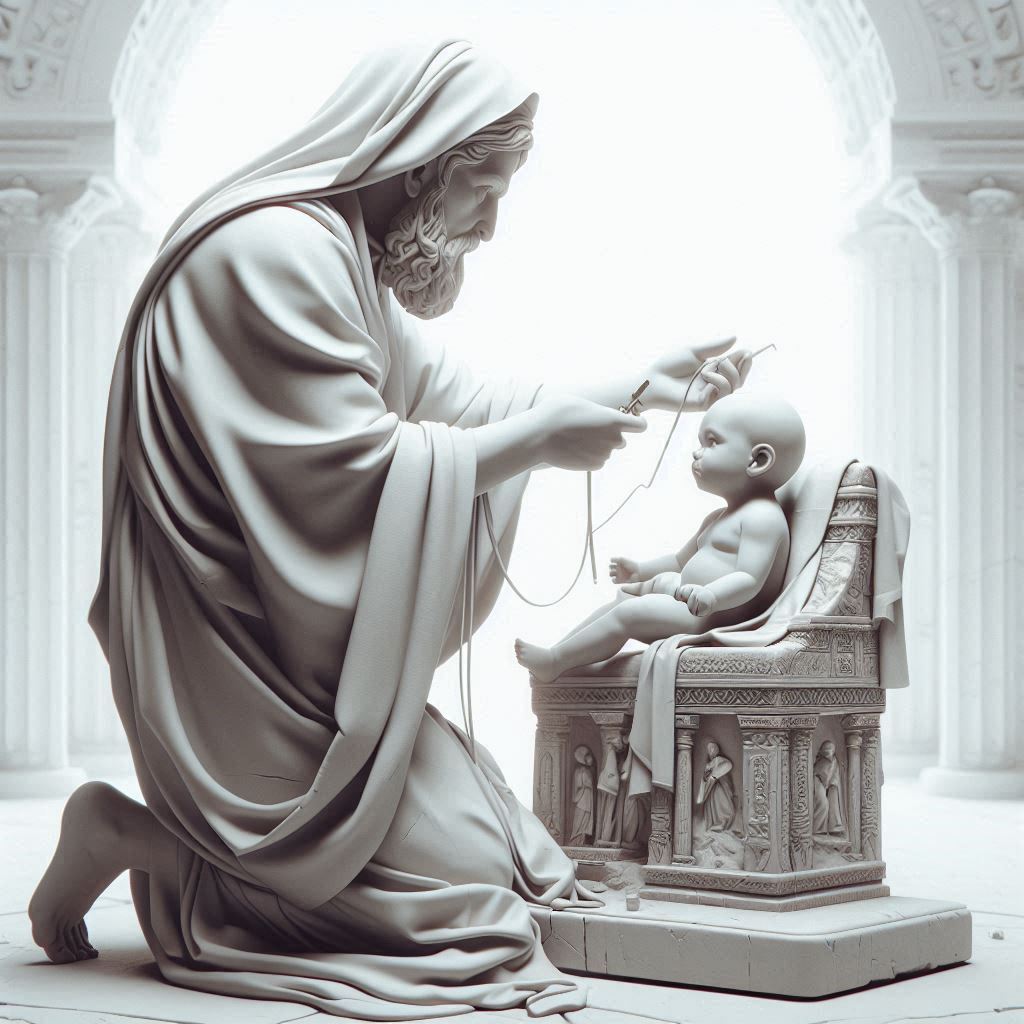
    The divine circumcision is both gift and demand—it is grace that wounds in order to heal. To be made new, we must allow God to cut away everything false. The process is rarely gentle, but the result is glorious: a heart renewed, a will surrendered, a soul that reflects its Creator. Transformation is not a single moment; it is a continual yielding to God’s craftsmanship.


    Modern Challenge:
    In an age obsessed with self-expression, few want to talk about self-denial. We polish the old nature instead of letting it die. Churches often celebrate “new life” without explaining that rebirth requires surrender. The spiritual circumcision Paul described cannot happen without repentance, humility, and the willingness to be changed from the inside out.

    If this reality is to rise again, believers must invite the Spirit’s scalpel—not to wound for pain’s sake, but to heal for truth’s sake. Only then can the Church once again be recognized, not by appearance or affiliation, but by transformation—the unmistakable mark of the divine hand upon the human heart.

  • The Road of Thorns: Glory Through Suffering

    Philippians 3:10
    Isaiah 53:3–5
    2 Corinthians 4:17


    Intro:
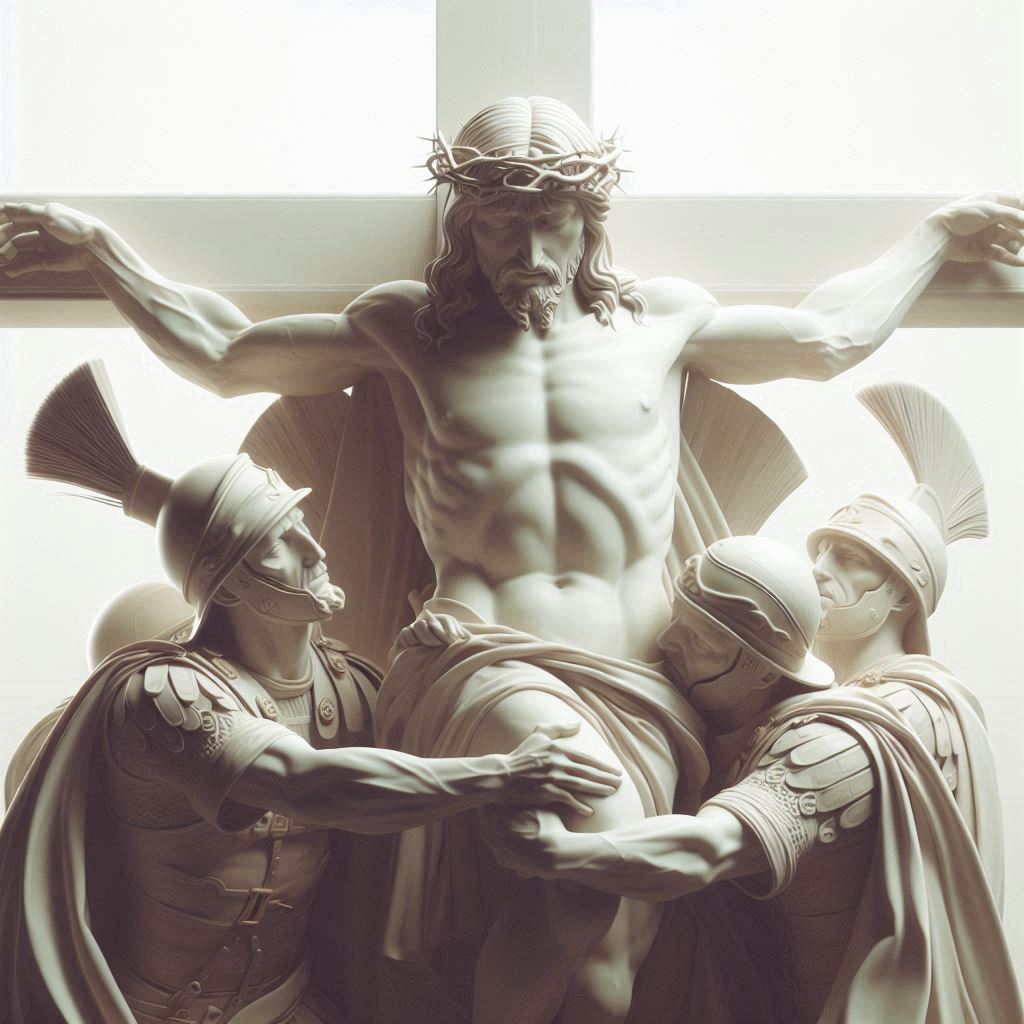
    When Paul declared that he desired to “know Christ, and the power of His resurrection, and the fellowship of His sufferings,” he unveiled a mystery most hearts resist: the road to glory is paved with pain. Jesus Himself, the sinless One, carried the cross not as punishment but as purpose—turning agony into access, wounds into worship, death into deliverance. The same pattern followed His apostles, who bore chains, lashes, and loss, yet carried joy brighter than gold. Suffering became not a curse but a calling.


    Historical Truth & Validation:
    The crucifixion of Jesus is one of the most historically attested events in the ancient world—recorded not only in the Gospels but by Roman and Jewish historians such as Tacitus and Josephus. Paul’s letters, written within decades of the events, reflect the lived experience of persecution among early believers. Roman records confirm executions, imprisonments, and exiles of Christ-followers under Nero and Domitian. Their endurance was not poetic exaggeration—it was historical blood and bone. And yet, their testimony spread faster than any sword could silence.


    Famous Quotes:

    “Out of suffering have emerged the strongest souls; the most massive characters are seared with scars.” – Kahlil Gibran

    “Where there is great love, there are always miracles.” – Willa Cather


    Conclusion:
    The cross was not the end; it was the doorway. Through it, God redefined strength—not as domination but surrender. Jesus’ suffering tore the veil that separated humanity from holiness. Paul and the apostles walked the same path so we could understand: glory is not achieved, it is revealed through endurance. Every hardship we carry faithfully becomes a testimony written in eternity’s ink.


    Modern Challenge:
    Today’s Christianity often seeks crowns without crosses. We celebrate success but flee sacrifice. The language of endurance has been replaced with comfort, and the theology of pain has been silenced by the pursuit of pleasure. Yet without suffering, faith stays shallow—unproven, unrefined.

    If the Church is to regain her strength, she must remember the road of thorns. We must see trials not as divine neglect but divine invitation—to share in Christ’s fellowship of suffering. Only then can modern believers rediscover the ancient truth: that resurrection power is always found on the other side of surrender.

  • Born Blind, Chosen to Reveal Glory

    John 9:1–3
    Psalm 119:71
    Romans 8:18


    Intro:
    When the disciples saw a man blind from birth, their first question echoed the ancient logic of Job’s friends: “Who sinned, this man or his parents?” But Jesus overturned centuries of moral arithmetic with one sentence: “Neither this man nor his parents sinned, but that the works of God should be revealed in him.” What they saw as punishment, Jesus declared purpose. Blindness became a stage for divine brilliance. Through his suffering, the man was not condemned but chosen—to show what God could do.


    Historical Truth & Validation:
    The healing of the man born blind is one of the most historically and theologically distinctive miracles recorded in the Gospels. Unlike other healings, this one involves someone who had never seen light. Medical historians note that true congenital blindness was considered incurable in ancient times—thus, this miracle was not symbolic but physically impossible by human means. Archaeological evidence of ritual baths (Siloam Pool) confirms the Gospel’s realism: a real location, a real man, a real miracle. It testifies that the story is not myth but momentous reality—an intersection of human limitation and divine intervention.


    Famous Quotes:

    “Faith is the strength by which a shattered world shall emerge into the light.” – Helen Keller

    “We are all broken, that’s how the light gets in.” – Ernest Hemingway


    Conclusion:
    The blind man’s story teaches that not all suffering is punishment—some is appointment. God can use our wounds as windows through which His light shines. The world may see affliction; Heaven sees opportunity. The miracle was not only in the man’s eyes being opened, but in humanity’s eyes being enlightened to a deeper truth: God’s glory can dwell even in darkness.


    Modern Challenge:
    Today, society still equates pain with guilt and success with blessing. We hide our scars, as though they disqualify us from grace. Churches sometimes echo the disciples’ early question—“Who sinned?”—rather than Jesus’ eternal answer—“that God’s works may be revealed.” The result: a world ashamed of weakness instead of expectant for miracles.

    To revive this truth, we must change our lens. Instead of asking “Why me?” we should ask “How can God be glorified through this?” When believers start seeing their struggles as stages for grace, the world will once again see the miracle of sight—spiritual and physical—through them.

  • Elihu’s Awakening: When the Young Must Speak

    Job 32:6–10
    1 Timothy 4:12
    Proverbs 27:17


    Intro:
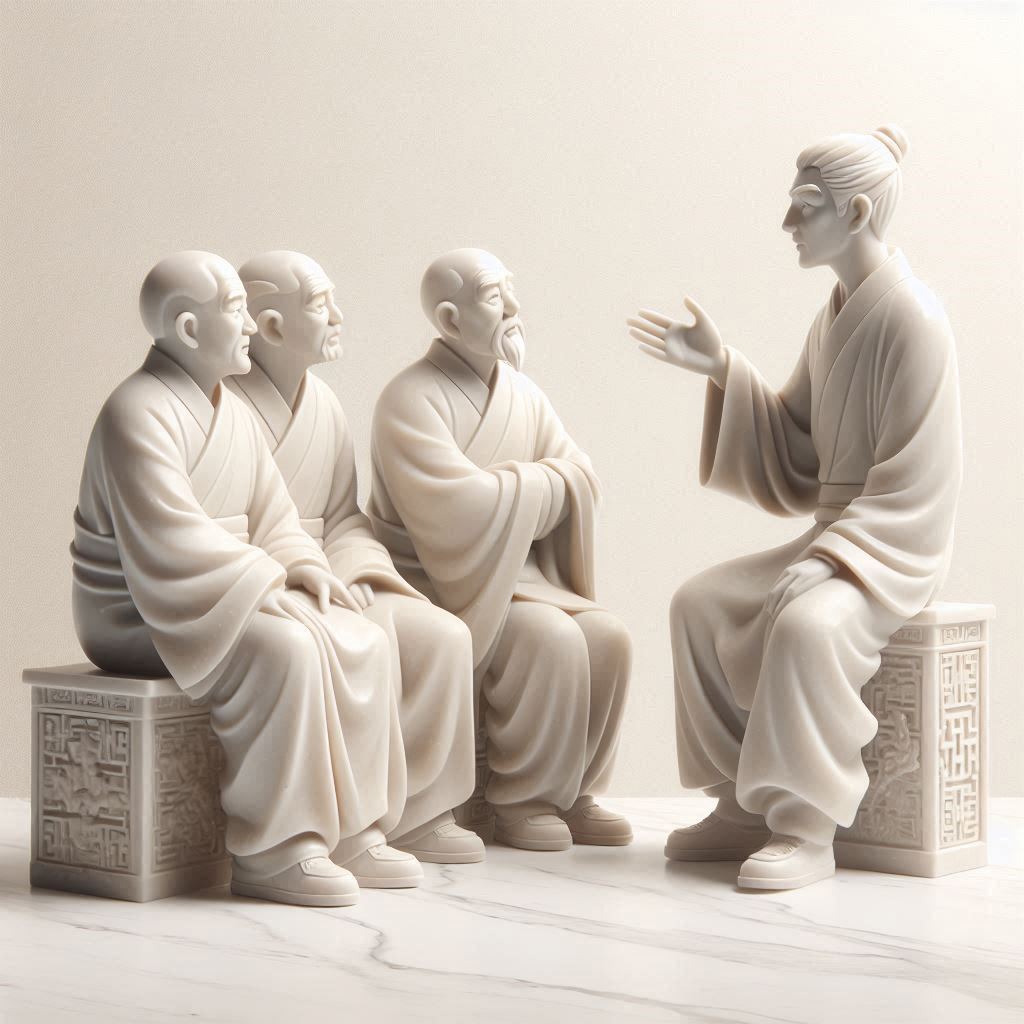
    When wisdom grows silent, courage must speak. Elihu, the youngest among Job’s companions, waited with respect as the elders debated the mystery of Job’s suffering. But when their reasoning failed—when accusation met defiance and comfort turned to confusion—Elihu could no longer hold his peace. He was not driven by arrogance but by a conviction that truth must be voiced, even by youth. His speech marks the turning point between human speculation and divine revelation.


    Historical Truth & Validation:
    The Book of Job is not a fable—it belongs to the earliest layers of Hebrew literature, with linguistic and cultural evidence rooted in patriarchal times. The dialogue structure, rich in legal and poetic form, reflects authentic ancient disputations. Elihu’s sudden appearance has long puzzled scholars, yet his role aligns with the Hebrew tradition where prophets and younger voices often carried fresh insight when older minds faltered—like Samuel before Eli, or Jeremiah before the priests. The history of faith shows that divine truth is not age-bound.


    Famous Quotes:

    “The greatest mistake you can make in life is to be continually fearing you will make one.” – Elbert Hubbard

    “Speak your mind, even if your voice shakes.” – Maggie Kuhn


    Conclusion:
    Elihu’s boldness wasn’t rebellion—it was renewal. His speech became the bridge between Job’s human questioning and God’s divine answer. Sometimes, truth needs a trembling voice to pierce proud silence. God often uses unexpected messengers to prepare the stage for His revelation.


    Modern Challenge:
    In today’s world, the Elihus are often silenced before they begin. Age, title, or institutional hierarchy too often define who may speak for God. Churches and societies alike have traded revelation for reputation. We’ve mistaken youth for ignorance, innovation for irreverence. Yet revival always begins when a new generation dares to speak truth with humility and fire.

    If we want that voice to rise again, we must listen beyond our comfort zones. The Spirit still calls the young to awaken the sleeping—and sometimes, that trembling voice is the spark heaven is waiting for.

  • Ashes Speak Louder

    There are moments when the weight of suffering seems too heavy, even for the righteous. Job, known for his integrity, found himself crushed under inexplicable pain. His friends—once confident interpreters of divine justice—were silenced when Job refused their narrow reasoning that “suffering equals sin.” Then, from the shadows of their silence, Elihu, the youngest of them, spoke. He dared to suggest what the others could not: that Job must repent. Yet Job stood firm, wrestling not just with pain but with heaven itself.

    Job’s resilience is not rebellion—it’s the cry of a man desperate for understanding. He believes he has done no wrong worthy of such ruin, and still, he faces the storm. In that tension, we find something divine: not mere human endurance, but faith being refined like gold in fire. For God never burns longer than necessary, and when the flames subside, purity remains.

    Then, there’s another question of suffering—one raised centuries later by Jesus’ disciples: “Who sinned, this man or his parents, that he was born blind?” The answer turned the world upside down: “Neither this man nor his parents, but that the works of God should be revealed in him.” The man’s blindness wasn’t punishment—it was purpose. Through his pain, God’s glory was made visible. What a reversal! Pain as a platform for divine revelation, not as proof of guilt.

    Throughout His ministry, Jesus healed the broken, not to condemn but to reveal. From lepers to paralytics, from the bleeding woman to the centurion’s servant, healing was never a mark of moral reward. It was grace made visible. Even the rarest of miracles—like raising the widow’s son or restoring Malchus’ ear—declared that God’s kingdom had arrived among men. And yet, the religious elite called it demonic power. They could quote Scripture but missed the Author standing before them.

    Paul, once one of those elites, later unveiled the shocking mystery: divine power often travels the road of suffering. Jesus’ cross, the apostles’ imprisonments, the martyrs’ flames—all point to this truth: glory is born through grief. Through their pain, exclusivity was destroyed—no longer “the Jews alone,” but all who call God “Father.” (Ephesians 3:7–13; 4:20–24)

    But are they the only ones called to suffer? Certainly not. Those who are made new in Christ must also be stripped of the old. The “circumcision not done by hands” happens through surrender, through divine refinement. As Paul wrote, “In Him you were also circumcised with a circumcision made without hands”—a spiritual act that transforms the heart, not just the flesh.

    From Job’s ashes, the blind man’s tears, Christ’s cross, and the apostles’ courage—even the flames of Roman persecution—we learn this: faith is not proven by prosperity but by perseverance. And as modern believers, we must ask ourselves: are we ready for our own test of fire? Will we rage, or will we refine?

    In every era, God’s glory still seeks a vessel. Sometimes, that vessel is shaped not by ease—but by endurance.

  • Tzuyang, the Korean eating sensation, is a name that many food enthusiasts instantly recognize. His claim to fame? Devouring lavish, expensive meals in staggering quantities—meals most people could barely finish in a week—alone in front of a camera. What makes this truly fascinating is not just the size of the portions but his skill and composure while consuming them.

    Despite the seemingly extraordinary nature of his talent, his actions are not without danger. Even though his body appears capable of handling such extreme eating challenges, Tzuyang has crossed into the territory of severe addiction. He pursues the top-ranking YouTube views with relentless focus, prioritizing performance and recognition over personal health or moderation.

    This extreme pattern of behavior exemplifies a broader category of addiction that goes beyond food. Addiction can manifest in countless forms, ranging from the common—like alcohol, tobacco, gambling, overeating, and social media—to the rarer types, such as adrenaline-seeking, digital hoarding, cosmetic surgery obsession, extreme body modification, and luxury consumption. Regardless of the type, all share similar dangers: harm to physical health, mental distress, disrupted relationships, financial instability, and loss of personal freedom.

    Social media plays a pivotal role in perpetuating these addictions. Even when surrounded by admirers or fans, the addict’s primary desire is recognition, not genuine connection. Pleasure is self-directed, not relational. Contrast this with the life of redeemed believers, who understand they no longer belong to themselves but to God. Paul reminds us in Ephesians 4:17-19 and Ephesians 3:1-6 of the spiritual implications of living for selfish desires rather than divine calling.

    Interestingly, even activities often considered virtuous, like prayer, church attendance, or fasting, can slip into the domain of addiction. Jesus Himself addressed those whose outward devotion masked a lack of horizontal love, challenging them boldly and uncompromisingly. He called out showy religious behaviors, emphasizing sincerity over spectacle.

    The most crucial lesson Jesus imparts is that spiritual disciplines—prayer, fasting, and acts of devotion—should be practiced discreetly. Matthew 6:1-6, 16-18 highlights that these acts are meant to be “hidden” from public view, not flaunted for applause. True faith cultivates humility and internal transformation, not performance metrics or social media likes

  • FLIGHT DELAY ALERT: Safety protocols require an immediate hold due to the presence of Unwanted Rodents inside the cabin, posing a risk to the aircraft’s integrity.

    Delay is often misunderstood as failure, inconvenience, or abandonment. Yet in many cases, delay is the very sign of responsibility and protection. Consider the delay of an airplane before takeoff: passengers may grumble, plans may be disrupted, but the airline will not risk lives when weather is unsafe, when the aircraft shows warning signs, or when the pilot needs clearance. Sometimes delay comes from even greater concerns—like suspicion of a bomb threat. While inconvenient, such delay is not neglect but care, ensuring the safety of every soul on board. A healthy delay is always shaped by responsibility for life.

    This same truth unfolds in Scripture. One of the most striking examples is when Jesus deliberately delayed going to Bethany after hearing Lazarus was sick. For four days He allowed events to unfold until Lazarus died. To human eyes, His delay looked cruel, careless, even unloving. Martha cried, “Lord, if you had been here, my brother would not have died” (John 11:21). Yet Jesus delayed not because He was powerless but because He was purposeful. The delay created the stage for a greater revelation—that He is the Resurrection and the Life, able to call forth the dead from the tomb.

    The pattern of delay is not rare in Scripture; it is woven into God’s dealings with humanity. Noah waited decades as the ark was prepared while God’s patience lingered with a corrupt generation. Israel wandered forty years in the wilderness, not because God forgot, but because He was shaping a people of faith. Prophets longed for Messiah across centuries of silence. And in the fullness of time, Christ came—not a day too early, not a day too late. Divine delay is not disorder; it is design.

    The apostle Peter captures this mystery with clarity: “The Lord is not slow in keeping his promise, as some understand slowness. Instead he is patient with you, not wanting anyone to perish, but everyone to come to repentance” (2 Peter 3:9). Delay is not God’s weakness; it is His mercy. Every moment of waiting is an open door for repentance, a chance for the unready to awaken, and for the rebellious to turn. Delay is not the pause of indifference but the heartbeat of divine compassion.

    But delay is also dangerous if misunderstood. Just as some restless passengers may accuse the airline of incompetence when a plane is delayed, so too people accuse God of negligence when He tarries. Some mock His promises, others harden their hearts, living as though the delay will never end. The Scriptures warn that such attitudes mirror those who rejected the prophets and even crucified the Son. Delay exposes not just patience, but pride. It reveals who truly trusts the wisdom of God’s timing, and who scoffs at it.

    Therefore, delay must be seen as holy ground—a space to prepare, to repent, to strengthen, to wait in faith. It is not the silence of heaven but the generosity of heaven. When Christ delayed with Lazarus, the miracle was greater than a healing; it was a resurrection. When God delays Christ’s return, it is not hesitation but invitation—a call for the nations to be gathered, for the lost to be found, for lamps to be filled with oil before the midnight cry. Delay is the mercy of God stretched across time, urging us not to waste the moment, but to use it as the final chance before the door closes.