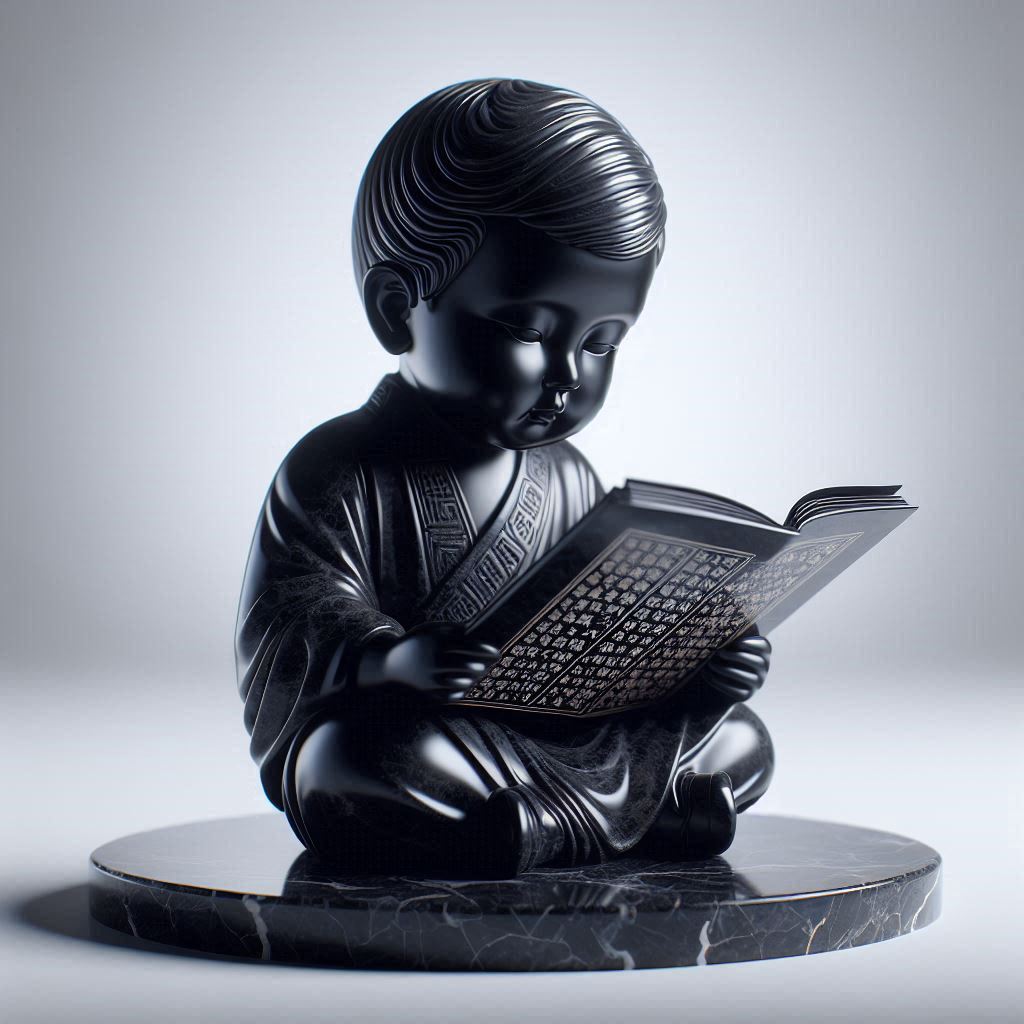
Ashes Speak Louder
There are moments when the weight of suffering seems too heavy, even for the righteous. Job, known for his integrity, found himself crushed under inexplicable pain. His friends—once confident interpreters of divine justice—were silenced when Job refused their narrow reasoning that “suffering equals sin.” Then, from the shadows of their silence, Elihu, the youngest of them, spoke. He dared to suggest what the others could not: that Job must repent. Yet Job stood firm, wrestling not just with pain but with heaven itself.
Job’s resilience is not rebellion—it’s the cry of a man desperate for understanding. He believes he has done no wrong worthy of such ruin, and still, he faces the storm. In that tension, we find something divine: not mere human endurance, but faith being refined like gold in fire. For God never burns longer than necessary, and when the flames subside, purity remains.
Then, there’s another question of suffering—one raised centuries later by Jesus’ disciples: “Who sinned, this man or his parents, that he was born blind?” The answer turned the world upside down: “Neither this man nor his parents, but that the works of God should be revealed in him.” The man’s blindness wasn’t punishment—it was purpose. Through his pain, God’s glory was made visible. What a reversal! Pain as a platform for divine revelation, not as proof of guilt.
Throughout His ministry, Jesus healed the broken, not to condemn but to reveal. From lepers to paralytics, from the bleeding woman to the centurion’s servant, healing was never a mark of moral reward. It was grace made visible. Even the rarest of miracles—like raising the widow’s son or restoring Malchus’ ear—declared that God’s kingdom had arrived among men. And yet, the religious elite called it demonic power. They could quote Scripture but missed the Author standing before them.
Paul, once one of those elites, later unveiled the shocking mystery: divine power often travels the road of suffering. Jesus’ cross, the apostles’ imprisonments, the martyrs’ flames—all point to this truth: glory is born through grief. Through their pain, exclusivity was destroyed—no longer “the Jews alone,” but all who call God “Father.” (Ephesians 3:7–13; 4:20–24)
But are they the only ones called to suffer? Certainly not. Those who are made new in Christ must also be stripped of the old. The “circumcision not done by hands” happens through surrender, through divine refinement. As Paul wrote, “In Him you were also circumcised with a circumcision made without hands”—a spiritual act that transforms the heart, not just the flesh.
From Job’s ashes, the blind man’s tears, Christ’s cross, and the apostles’ courage—even the flames of Roman persecution—we learn this: faith is not proven by prosperity but by perseverance. And as modern believers, we must ask ourselves: are we ready for our own test of fire? Will we rage, or will we refine?
In every era, God’s glory still seeks a vessel. Sometimes, that vessel is shaped not by ease—but by endurance.


Leave a comment