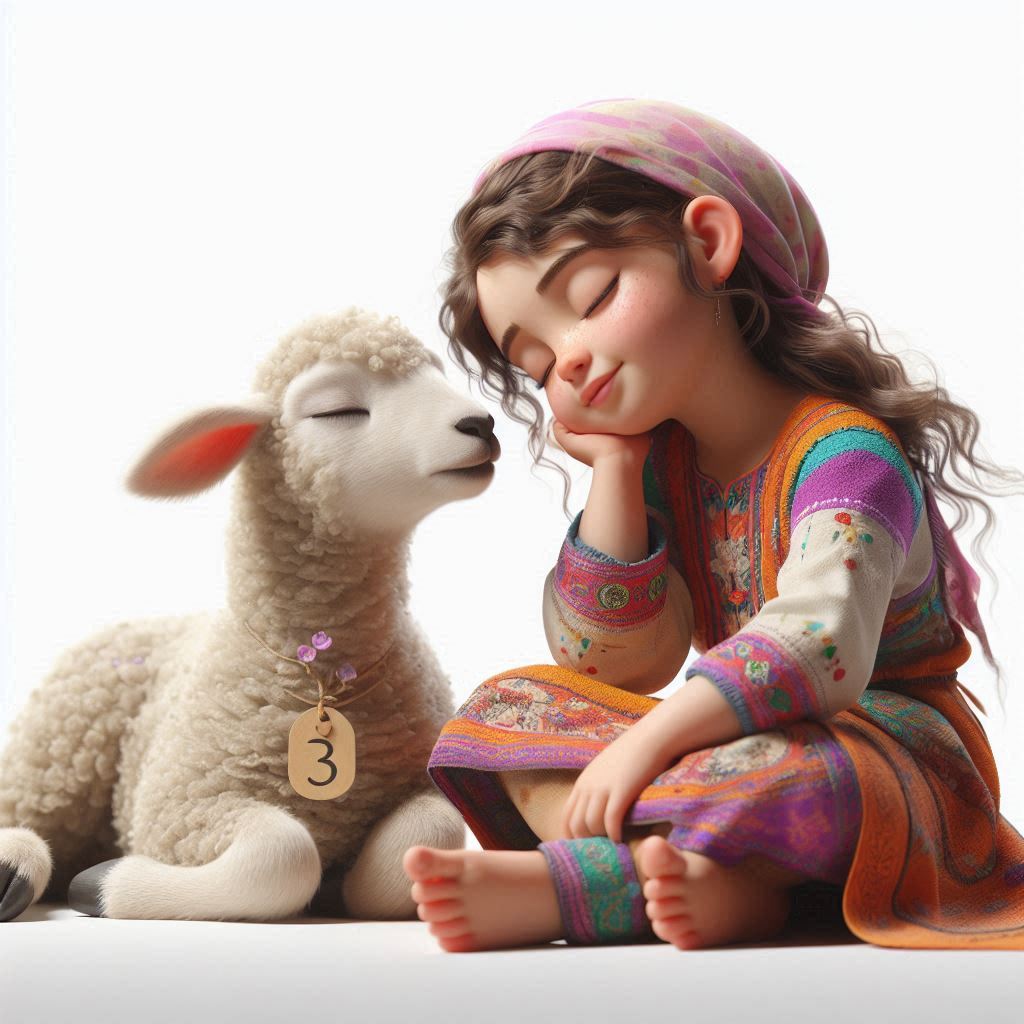
Sheepish Christmas Secrets
The Christmas story often arrives wrapped in starlight, angel choirs, and royal promises. Yet if we listen closely, there is also the soft rustle of wool—an overlooked soundtrack hiding at the edges of the nativity scene. Our imagination usually rushes toward shepherds and magi, but tucked between them stands a creature that has walked through Scripture from Genesis to the Gospels: the humble sheep. Strangely quiet. Ridiculously vulnerable. And mysteriously central.
Long before a Child lay in a manger, sheep had already carried the weight of countless stories. They were not just livestock but symbols of belonging, sacrifice, lostness, and rescue. When Israel needed deliverance, a lamb’s blood marked their doors. When sin needed atonement, a spotless lamb stood in the place of the guilty. When Jesus wished to describe His love, His people, and His mission, He reached not for lions, war horses, or eagles—but for sheep.
It is amusing when you think about it. God could have chosen any animal to be the star of His metaphors. An elephant to symbolize memory? A horse to represent strength? An eagle for vision? But no. The Messiah keeps pointing to sheep—these gentle, stubborn creatures who panic at shadows, follow anything that moves, and stand completely helpless without a shepherd. In the Kingdom storyline, sheep are not the comic relief; they are the mirror.
And so it is no accident that on the night heaven touched earth, the first audience was not priests, nobles, or politicians. It was shepherds—overlooked men watching over overlooked animals. The sky tore open not above Caesar’s palace but above a field dotted with woolly silhouettes. For in God’s narrative, greatness often begins in unnoticed places, and glory prefers the company of the simple, the small, and the strangely soft-hearted.
But this Christmas, we shine the lantern not on the shepherds—but on the sheep themselves. What did they represent in the ancient world? Why did God weave them so tightly into His metaphors and rituals? Why does the Child in the manger grow up to be called the “Lamb of God who takes away the sin of the world”? And what does that mean for us who often wander, worry, and forget the voice that calls us home?
This article is a journey into wool and wonder—where we rediscover Christmas not only through kings and angels, but through creatures who bleated their way through the entire biblical drama. Their story is strangely our story. Their weaknesses strangely our weaknesses. Their rescue strangely our hope. And perhaps this year, as we kneel at the manger, the sheep will teach us something the season has been whispering all along.


Leave a comment