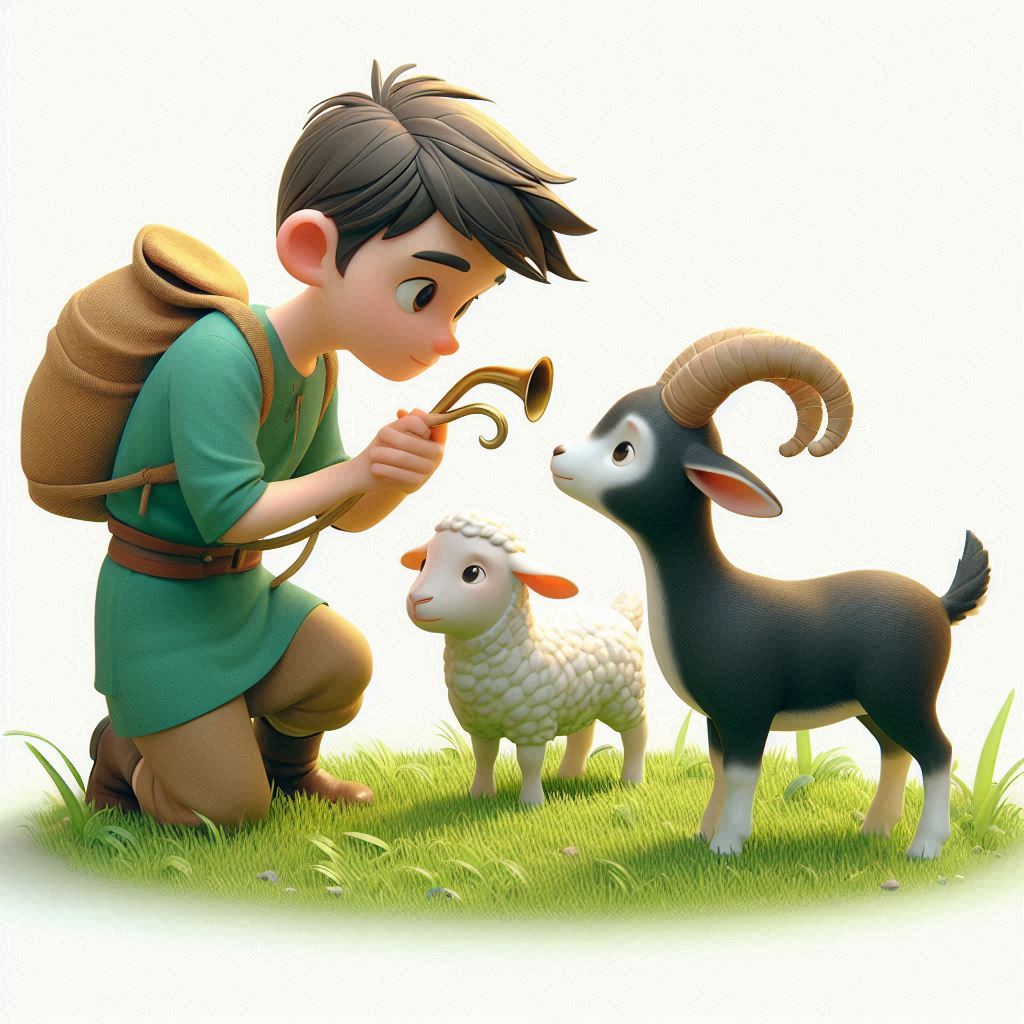
The Goats and the Illusion of Righteousness
- Matthew 25:41–43 — “Then shall He say also unto them on the left hand, Depart from Me, ye cursed, into everlasting fire, prepared for the devil and his angels: for I was hungry, and ye gave Me no meat.”
- James 2:17 — “Faith, if it hath not works, is dead, being alone.”
- Isaiah 29:13 — “This people draw near Me with their mouth, and with their lips do honor Me, but have removed their heart far from Me.”
Intro
The goats were surprised. They expected reward — recognition, applause, a divine pat on the back. After all, they had served in the temple, preached, prophesied, even performed miracles. Yet Jesus said, “I never knew you.” Their mistake was subtle but fatal: they had confused religious activity with relational authenticity. They performed good things, but not from a good heart. Their worship was an act; their service, a transaction.
Truth and History
Goats in biblical times were common sacrificial animals, but their behavior contrasted sharply with sheep. Goats are independent, stubborn, and restless — symbols of self-will. In early Christian writings, they came to represent those who sought God’s blessings but not His heart.
Throughout history, religious systems have often fallen into this same trap: when ritual replaces relationship, compassion turns into compliance. The “goat church” is efficient, structured, even inspiring — but cold. It prays loudly, gives publicly, and yet overlooks the broken at its door.
The same spirit infects modern institutions — hospitals that quote policy while patients suffer, churches that celebrate giving campaigns while ignoring the hungry. Outward brilliance; inward barrenness.
Quotations
“The highest form of ignorance is when you reject something you don’t understand.” — Wayne Dyer
“One’s philosophy is not best expressed in words; it is expressed in the choices one makes.” — Eleanor Roosevelt
Conclusion
The goats remind us that religion without empathy is theatre. Holiness without humility becomes hypocrisy. The tragedy of the goats is not that they were evil, but that they were unmoved. They saw suffering and explained it away, witnessed need and filed it under “procedure.”
To God, omission can wound as deeply as commission. The unspoken “no” of indifference is louder than any shouted sin.
Modern Challenge
We live in an era where the “goat spirit” thrives — polished, professional, perfectly structured. Many serve God on schedule but ignore Him in strangers. Compassion has become optional, even inefficient.
To awaken from this illusion, we must return to the raw center of the gospel: love that costs something. The goats knew theology; the sheep knew tenderness. The future of faith depends on which we choose to become.


Leave a comment