From Abandoned to Beloved
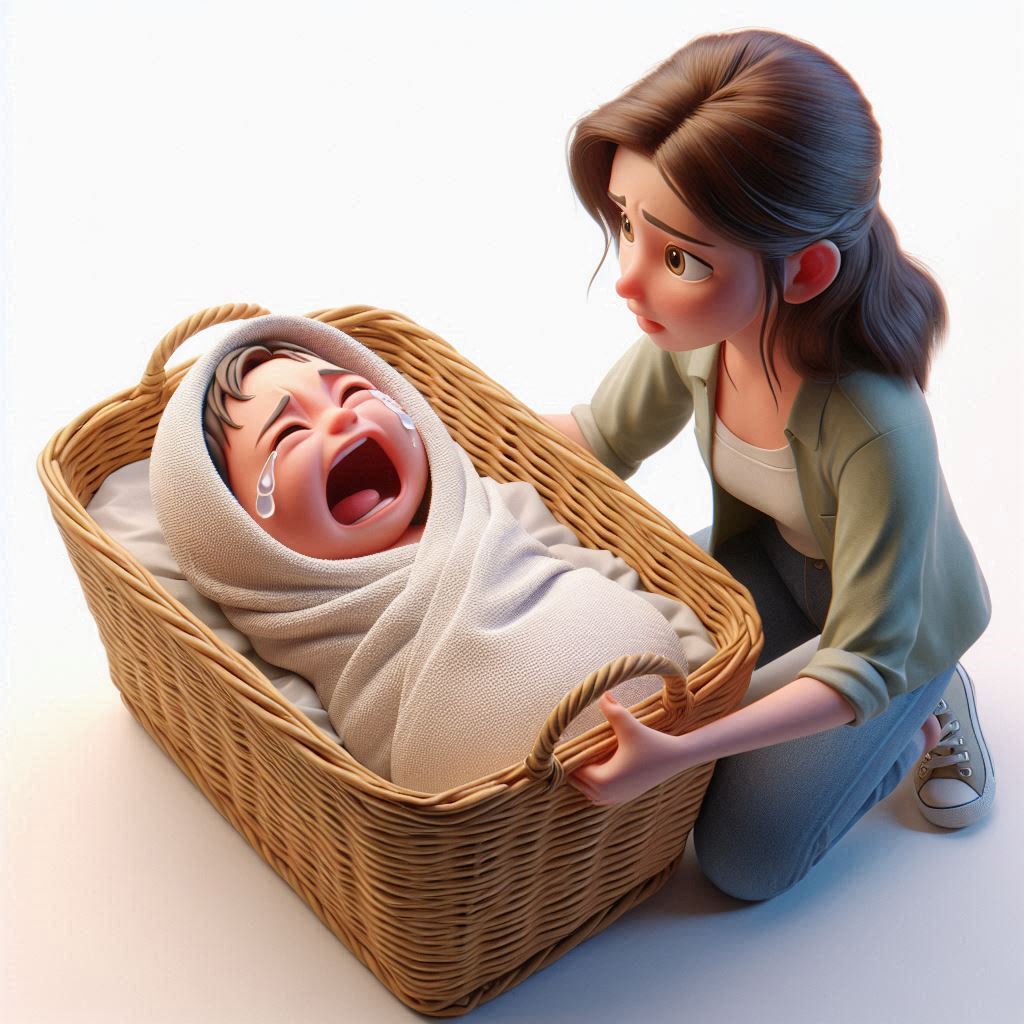
There was once a little boy who began life with rejection. Left at the gate of an orphanage, he was unwanted and unseen by the very ones who should have protected him. In the eyes of the world, it was easier for his parents to discard him than to bear the cost of raising him. Such is the cruel wisdom of a broken world—when life feels inconvenient, it chooses to abandon.
Yet grace tells a different story. At the age of seven, a young couple opened their arms and their home to him. In one moment, his status changed. No longer an orphan, he became a son. What he once believed was a curse—his very existence—was transformed into a blessing. Through the love of adoption, he discovered something the world could not offer: the truth that worth is not measured by usefulness but by belonging.
Is this not the very picture of Israel? In the Old Testament, God found His people helpless, like a newborn left in its blood and destined to die: “On the day you were born your cord was not cut… no one looked on you with pity… but I passed by and said to you, ‘Live!’” (Ezekiel 16:4–6). The Lord did not pass by; He stooped down, He called them to life, and He raised them as His own. Yet how tragic that once they tasted success, Israel so often forgot the One who rescued them.
And is the church today any different? In Revelation, the Lord speaks to seven churches—Ephesus, Laodicea, and others—warning them against forgetting their first love, against becoming lukewarm, against blending with the very world from which they were delivered. The danger is not only in being abandoned by others, but in abandoning the God who never abandoned us. The call to remember is not for shame but for renewal, to rediscover the beauty of being chosen, loved, and kept by Him.
Paul echoes this truth in his letter to the Ephesians: “Remember that at that time you were separate from Christ, excluded from citizenship in Israel and foreigners to the covenants of the promise, without hope and without God in the world” (Ephesians 2:11–12). Such words are heavy, but necessary. Before we can rejoice in our adoption, we must remember our alienation. Before we can walk in new life, we must face the reality of the old one.
As Charles Spurgeon once said, “It is not our hold of Christ that saves us; it is Christ. It is not our joy in Christ that saves us; it is Christ.” Adoption, calling, and belonging are not rewards for the worthy but gifts for the unworthy. And herein lies the heartbeat of our discussion: to live as the called-out people of God is to never forget where we came from, to never forget who brought us in, and to never forget whose we now are.


Leave a comment