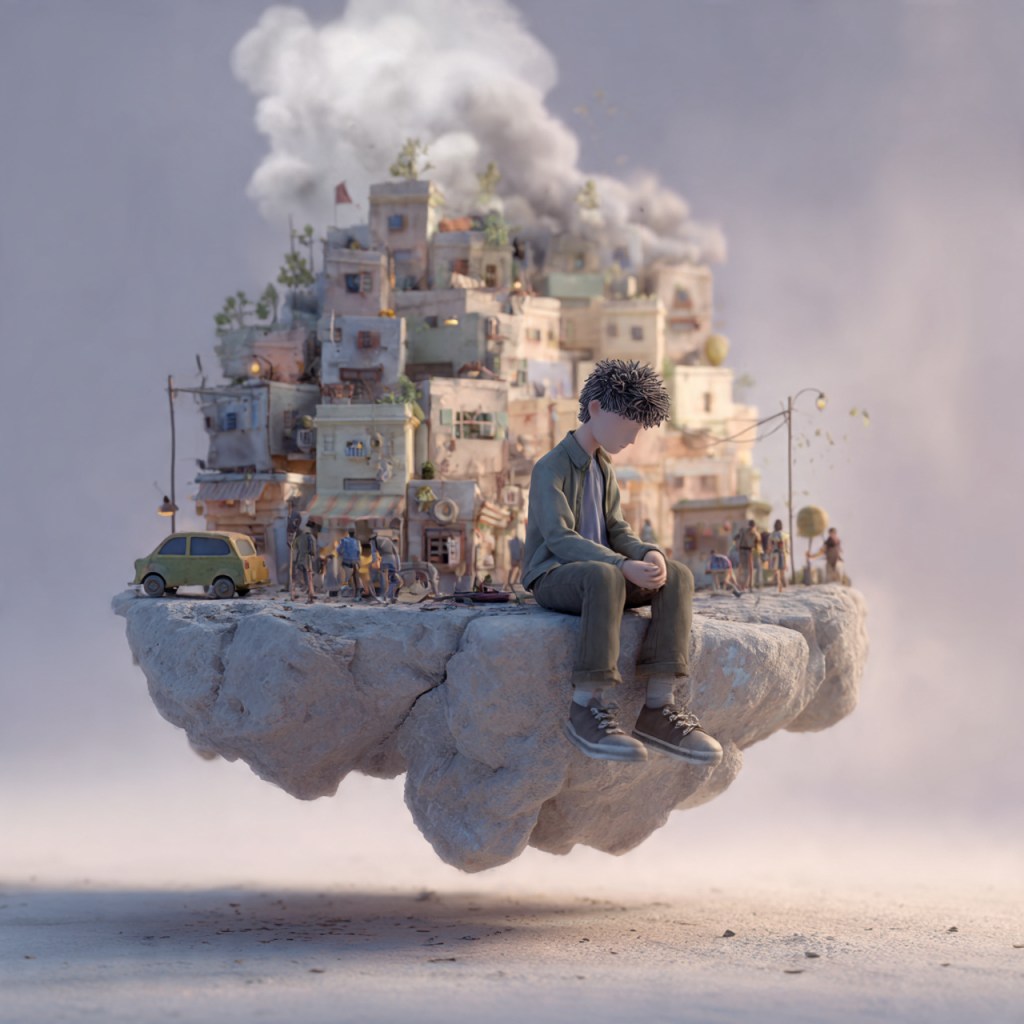
Tears Over the City
Luke 19:41–44
Jeremiah 6:16–19
Psalm 122:6–9
The celebration reaches its height—and then something unexpected happens. The procession slows. The noise fades into the background. Jesus Christ stops and looks at the city spread before Him. He does not smile. He weeps.
These are not sentimental tears. They are not the tears of nostalgia or exhaustion. They are the tears of someone who sees clearly while others are distracted by the moment. The crowd celebrates arrival; He mourns rejection. The city rejoices; He grieves its future.
His lament carries precision, not vagueness. He speaks of enemies surrounding the city, closing in, leaving no stone upon another. This was not symbolic language meant to sound ominous. Within a generation, history recorded its fulfillment. In 70 CE, Roman forces under Titus besieged Jerusalem, destroyed the city, and dismantled the Temple stone by stone.
Ancient historians such as Josephus describe famine, internal violence, and devastation so complete that survivors struggled to recognize the city’s former shape. What makes this moment devastating is not the accuracy of the prediction alone—but the reason given. The city failed to recognize “the time of visitation.” Peace stood before them, and they mistook it for weakness.
Biblically, this echoes a long pattern. The prophet Jeremiah pleaded with Jerusalem to choose the ancient paths leading to rest. The refusal was not ignorance, but resistance. Peace was offered, but not on their terms.
Blaise Pascal once noted that humanity’s tragedy lies in knowing neither its greatness nor its misery. His observation clarifies the scene: the city celebrates its religious identity while remaining blind to its spiritual condition. Pride and blindness often coexist.
Simone Weil later wrote that love sees what force cannot. Her insight reframes these tears—not as defeat, but as the cost of clear sight. Power that conquers does not need to weep. Love that foresees loss does.
Together, these voices help us understand why this moment feels so unsettling. The king who refuses spectacle also refuses detachment. He allows Himself to feel the weight of what will be lost.
Palm Sunday does not end in triumphal certainty, but in exposed vulnerability. The tears over Jerusalem reveal a truth many prefer to avoid: celebration without transformation leads to ruin. Peace offered but unreceived becomes judgment by neglect. The city wanted a symbol. What it needed was surrender. And so the question lingers—when peace stands before us quietly, will we recognize it, or will we only realize its value once it has passed?


Leave a comment