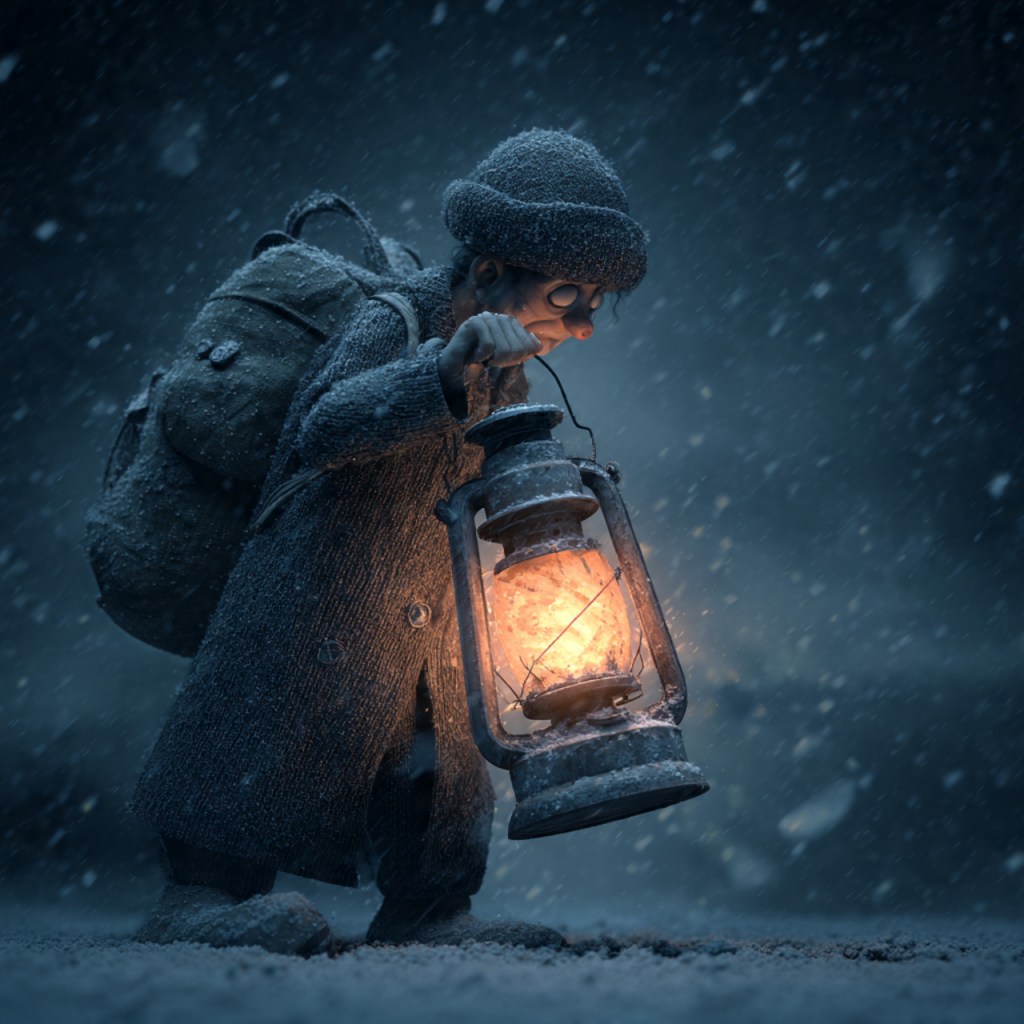
Hope, Lost, Found
Hope is a strange companion. It walks with us quietly when life feels steady, yet it shouts the loudest when everything seems lost. Christmas, for many, is wrapped in lights and songs—but beneath the surface, it often arrives carrying unanswered questions, silent griefs, and expectations that did not come true.
The story of the road to Emmaus in Luke 24:13–35 does not begin with celebration. It begins with retreat. Two disciples walk away from Jerusalem, away from community, away from the place where hope was supposed to be fulfilled. Their steps are heavy, not hurried. This is not rebellion; it is exhaustion.
What makes this story unsettling—and deeply human—is that hope is not absent because God failed. Hope feels absent because expectations collapsed. The Messiah they trusted was crucified. The future they imagined was buried. Faith did not disappear overnight; it slowly leaked out with every unanswered “why.”
Yet the risen Jesus does not confront them with miracles or rebukes. He walks. He listens. He explains. Hope is not restored through spectacle, but through meaning. Suffering is reinterpreted, not erased. The Scriptures are opened before their eyes long before their eyes themselves are opened.
Emmaus, often translated as “warm springs” or “a place of rest,” is ironic. The disciples seek rest by leaving, but true rest finds them on the road they never planned to walk with God. Christmas hope, like Emmaus hope, rarely meets us where we expect it—but faithfully meets us where we are.
This is why the Emmaus story belongs at the heart of Christmas. It tells us that hope does not return when circumstances improve, but when presence is recognized. Not when pain disappears, but when pain is given meaning. Hope is not found at the destination, but in the walking—and in the breaking of bread.
Christmas hope is not naïve optimism, nor a denial of loss. It is the courage to keep walking when clarity is gone, to keep listening when answers delay, and to trust that recognition often comes last—not first.
The road to Emmaus reminds us that hope can survive disappointment, faith can breathe again after silence, and God often walks closest when He seems most hidden.
Hope, it turns out, was never buried in the tomb. It was already on the road—waiting to be recognized.


Leave a comment